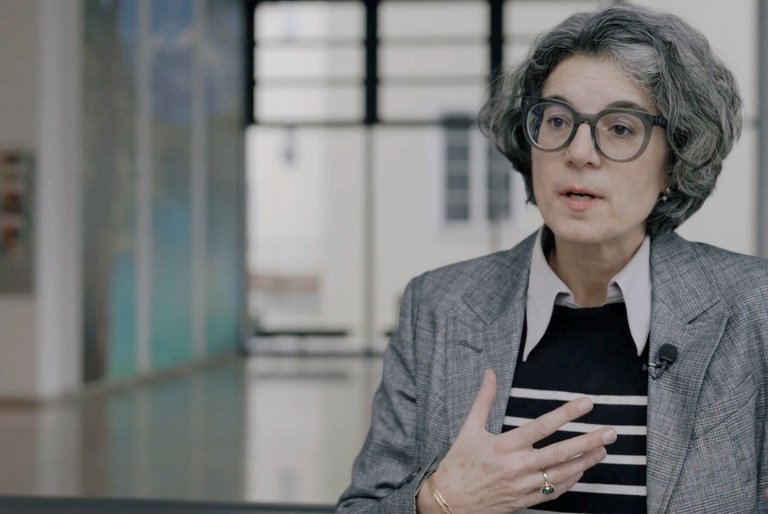
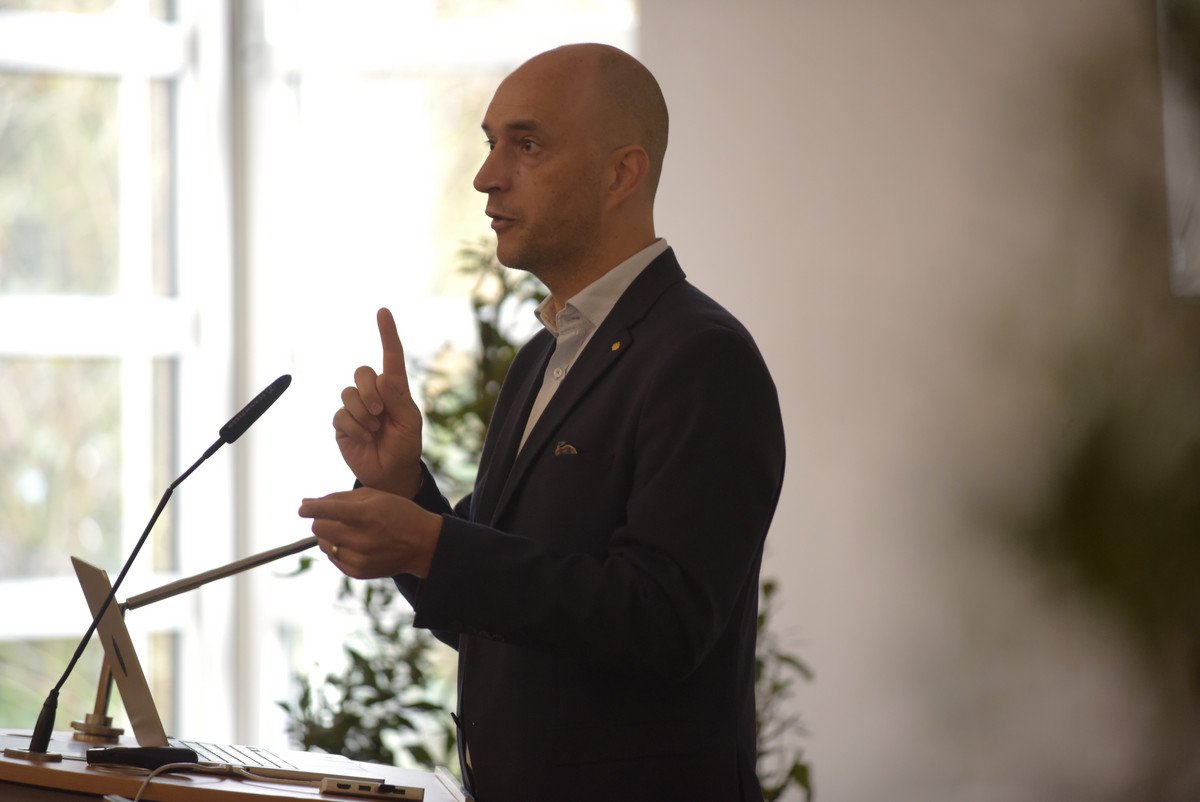
From a Passau perspective, the tropics seem a long way off. In his opening lecture at the 9th European Conference of Tropical Ecology at the University of Passau, Professor Alexandre Antonelli gave a striking example of why they concern us all: our morning coffee. Even for someone not interested in tropical biodiversity, it is important to understand just how much the climate crisis threatens this daily habit. “Coffee, for example, is not very tolerant of climatic changes, and to date all coffee plantations worldwide are already affected by droughts.”
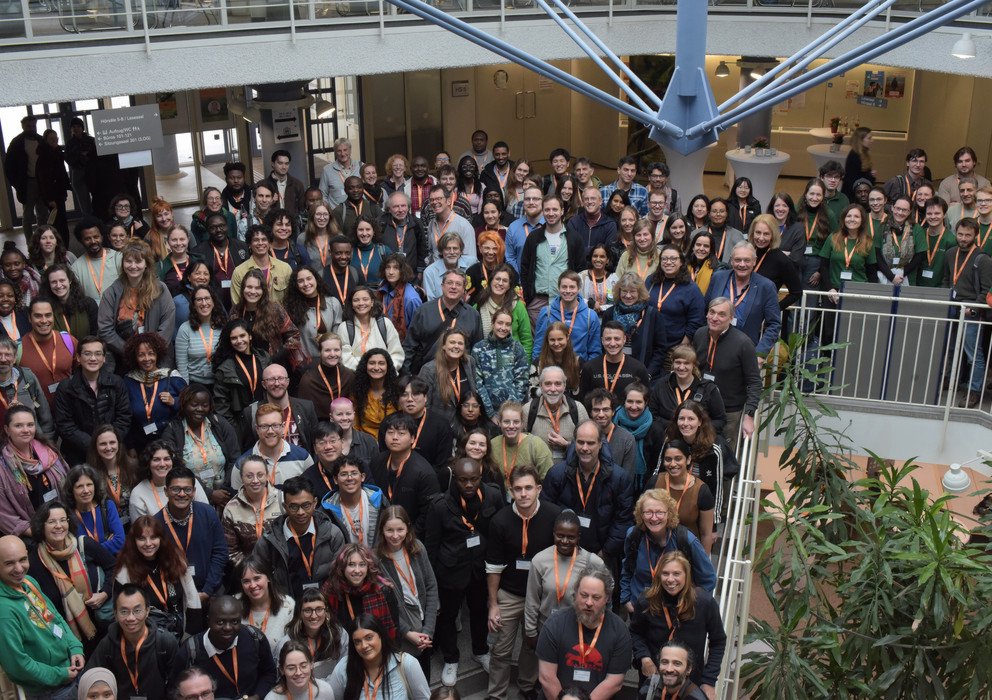
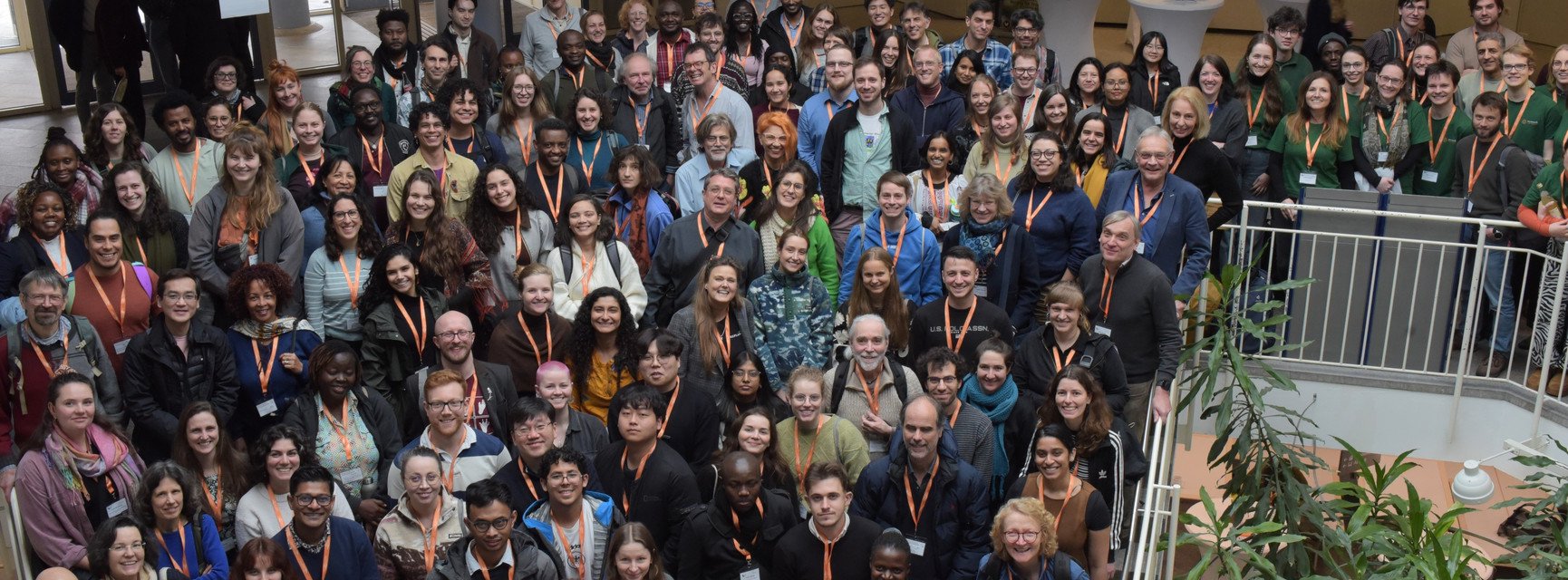
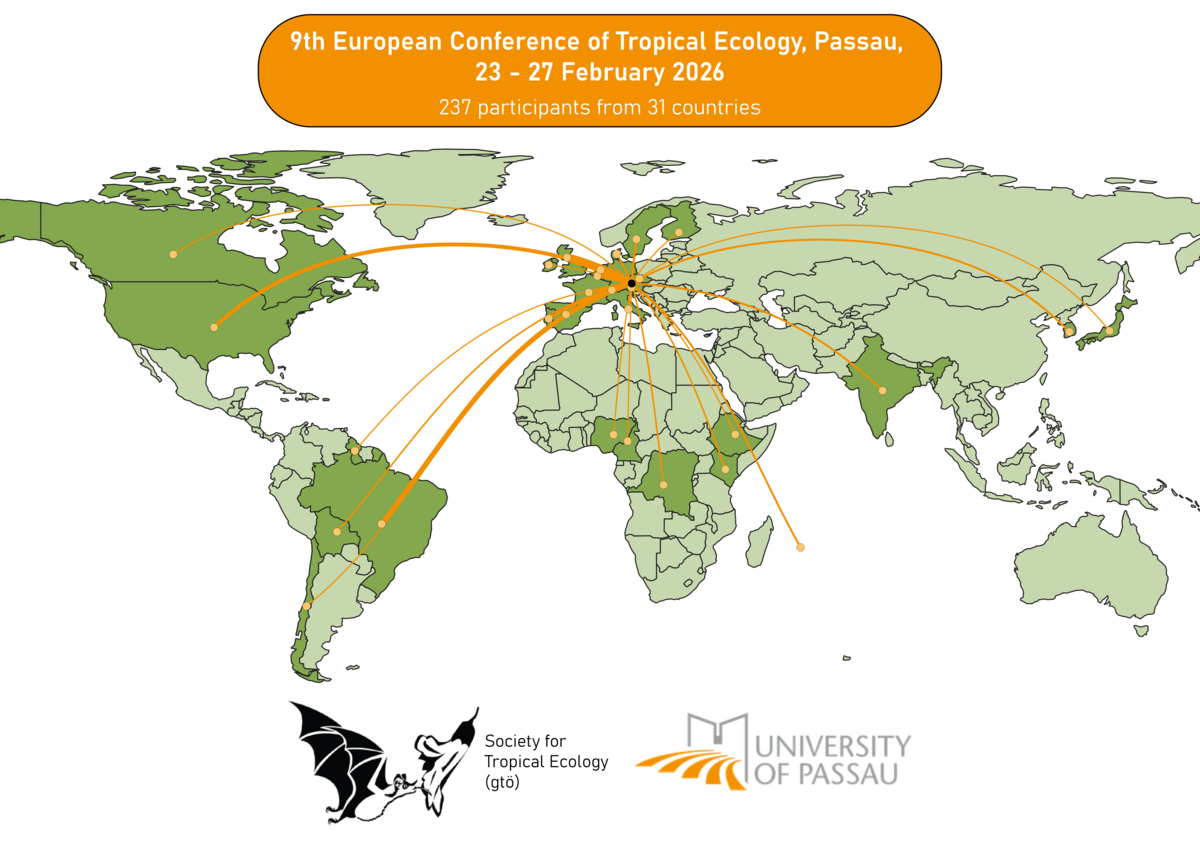
The European Conference of Tropical Ecology was held in Passau from 23 to 27 February 2026 thanks to Professor Christine Schmitt, holder of the Chair of Physical Geography with a focus on Human-Environment Research. Together with the Society for Tropical Ecology (gtö), she organised the event, which was attended by nearly 240 scientists from 31 countries. In keeping with the conference’s motto, ‘Species – Ecosystems – People’, the presentations ranged from basic ecological research to the question of how the protection and use of sensitive ecosystems can be reconciled.
Alongside scientific analyses and methodological discussions, the speakers conveyed their fascination with the subject through striking images from tropical research regions in Latin America, Africa and South-East Asia. “The presentations demonstrate just how international and interdisciplinary tropical ecology is today – and how urgently we need both local and global solutions to preserve these unique ecosystems,” said the host.
“Tropical ecosystems worldwide are under threat from human influence,” added Professor Antonelli, a plant ecologist at the Royal Botanic Gardens, Kew in London, one of the world’s leading centres for biodiversity research. High rates of deforestation, conversion to farmland or settlement areas, and not least climate change are having a negative impact on biodiversity. “All life depends on biodiversity, such as plants and fungi. I believe we cannot survive on this planet without healthy ecosystems that give rise to life in the first place.” Alongside this utilitarian perspective, Dr Antonelli also emphasised our ethical responsibility: “We must not simply allow species to become extinct.” A key demand that was taken up by many of the international speakers.
The diversity of tropical ecology
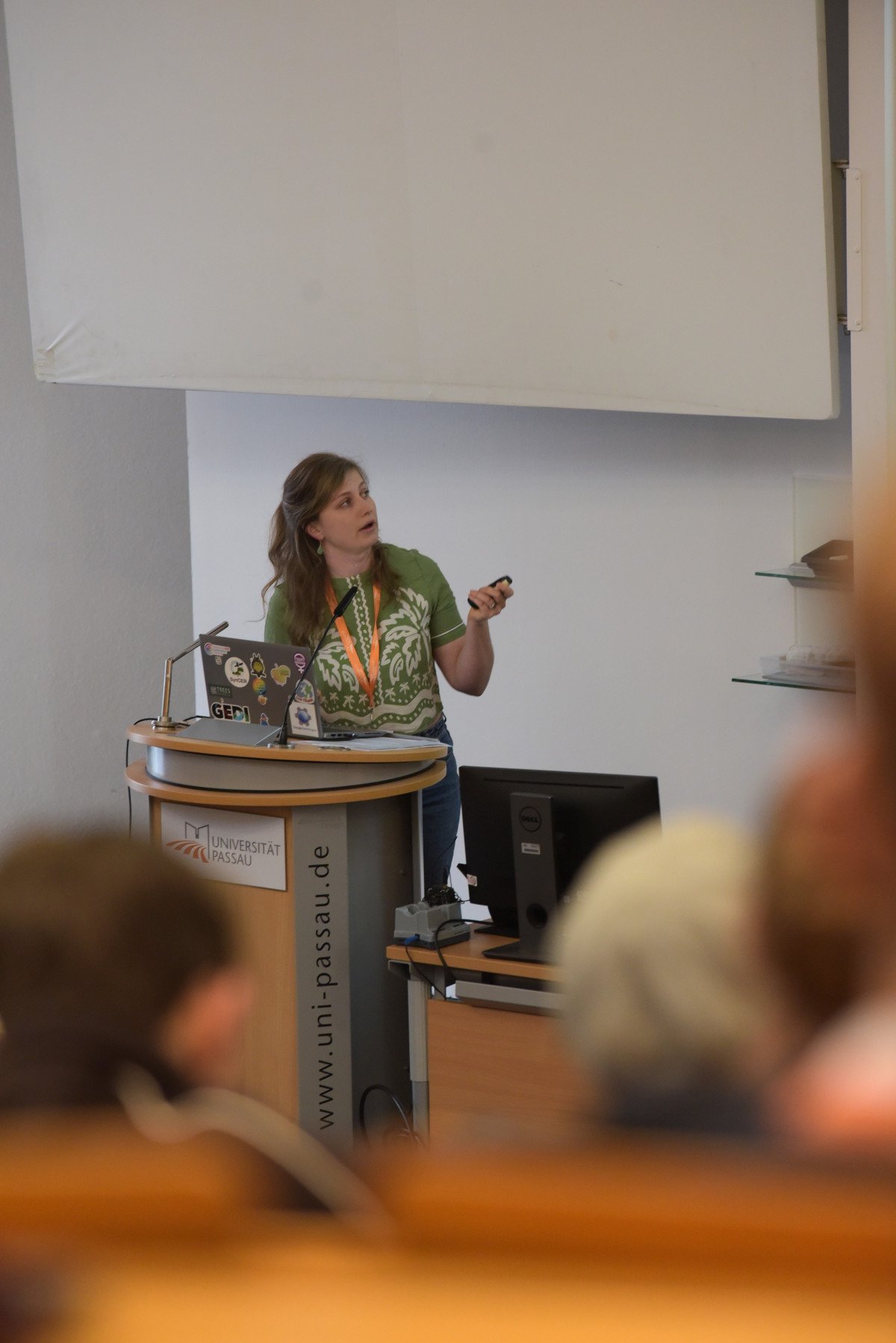
Research into tropical ecosystems does not take place solely in the field, as Dr Viola Heinrich from the Helmholtz Centre for Geosciences in Potsdam explained. “I find it fascinating to see how we can use satellite data to investigate how forests recover after disturbances such as fires or logging – and how we can use this knowledge to tackle key challenges such as climate change and biodiversity loss.”
This demonstrates the diversity of tropical ecology as a field of research. The approximately 180 presentations and 40 posters presented by participants in thematic sessions ranged from analyses beneath the Earth’s surface to observations from space. Soil samples containing pollen provide clues to past species compositions, whilst studies on pollinating insects and seed-dispersing animals shed light on complex interactions between plants and animals. Case studies of individual forests provide detailed insights into local dynamics, whilst satellite data can help to fill gaps in knowledge where no field data is yet available for the analysis of large areas.
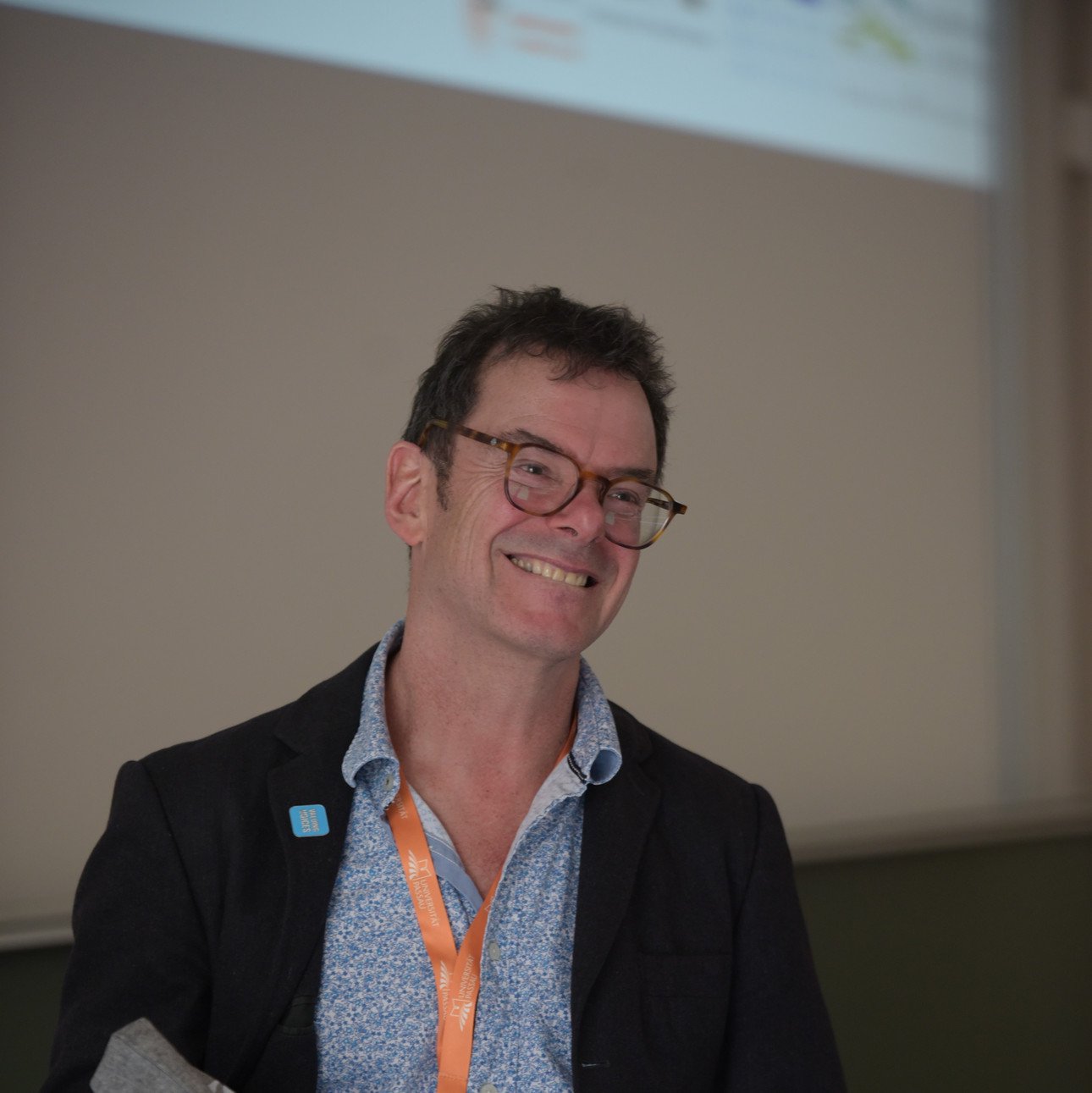
The keynote presentations covered a wide range of topics, from local challenges to global interdependences. Dr Maria Fungomeli (National Museums of Kenya) discussed how nature conservation and human needs can be reconciled in Kenya’s remaining coastal forests. Dr Alfredo Romero-Muñoz (Humboldt University of Berlin) provided insights into his research on the conservation of jaguars in the dry forests of South America. Professor Rob Marchant (University of York, UK) emphasised the relevance of tropical ecology for us all: “No matter how much geopolitical conditions change and how much we tend to turn increasingly inwards – we cannot escape the fact that the world is an interconnected place: the climate, ecosystems and biodiversity are linked to one another and to us. Whether we like it or not, we must live within this global context.”
Despite the current global crises, there was a sense of confidence among the researchers. Professor Antonelli, for example, struck an optimistic note in his presentation: he saw at this conference “incredible projects being implemented by incredible people”, and that gave him hope. “I am an optimist and firmly believe that there is still time to turn things around. In my view, all scientific evidence shows that, despite the enormous ecological challenges we face, we still have the chance to protect and restore nature – and that will benefit everyone on this planet.”
The conference was seen as highly motivating by the many early-career researchers in attendance, seven of whom were presented with the Merian Awards by the Society for Tropical Ecology (gtö). The conference’s supporting programme was explicitly aimed at the general public in Passau. The Elisabeth von Kalko Memorial Lecture, delivered this year by Dr Bea Maas (University of Vienna, Austria), was open to the public and well attended. The programme was rounded off by excursions on the final day, which took participants through Passau, into the Bavarian Forest, to the River Ilz and to the Munich-Nymphenburg Botanical Garden. The conference was financially supported by the University of Passau, the German Research Foundation (DFG) and many other sponsors.
This text was machine-translated from German.
Author: Liesa Cosman, research assistant at the Chair of Physical Geography with a focus on Human-Environment Research
More information:

Funded by the Deutsche Forschungsgemeinschaft
(DFG, German Research Foundation) – 575853546