Fog-shrouded mountains in Gesäuse National Park in Styria.
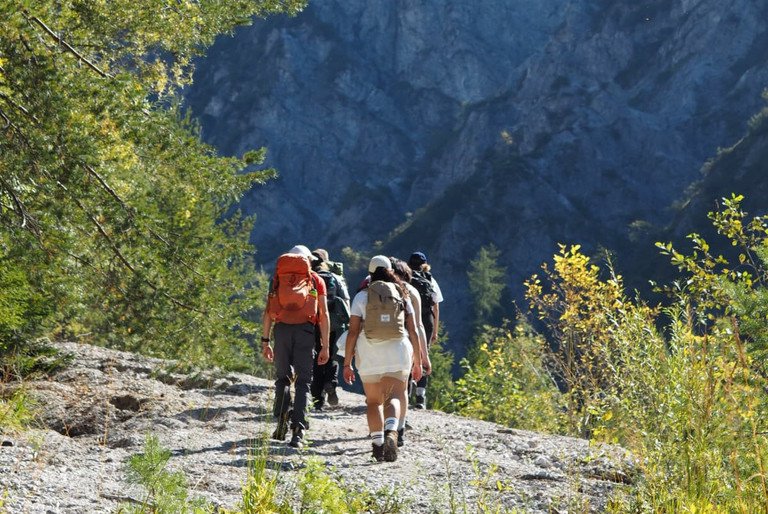
We look up. The mountainside in front of us rises almost vertically across the countryside. Sweaty but motivated, we continue the ascent. After more than two hours, our group has finally made it to the top. A gentle breeze blows across our faces and we take a deep breath, mesmerized by the view over Kalkalpen National Park. But sightseeing isn’t our main purpose. We’re here to learn how to study these beautiful natural spaces – to tackle the techniques scientists have developed to glean a deeper understanding of the state of nature.
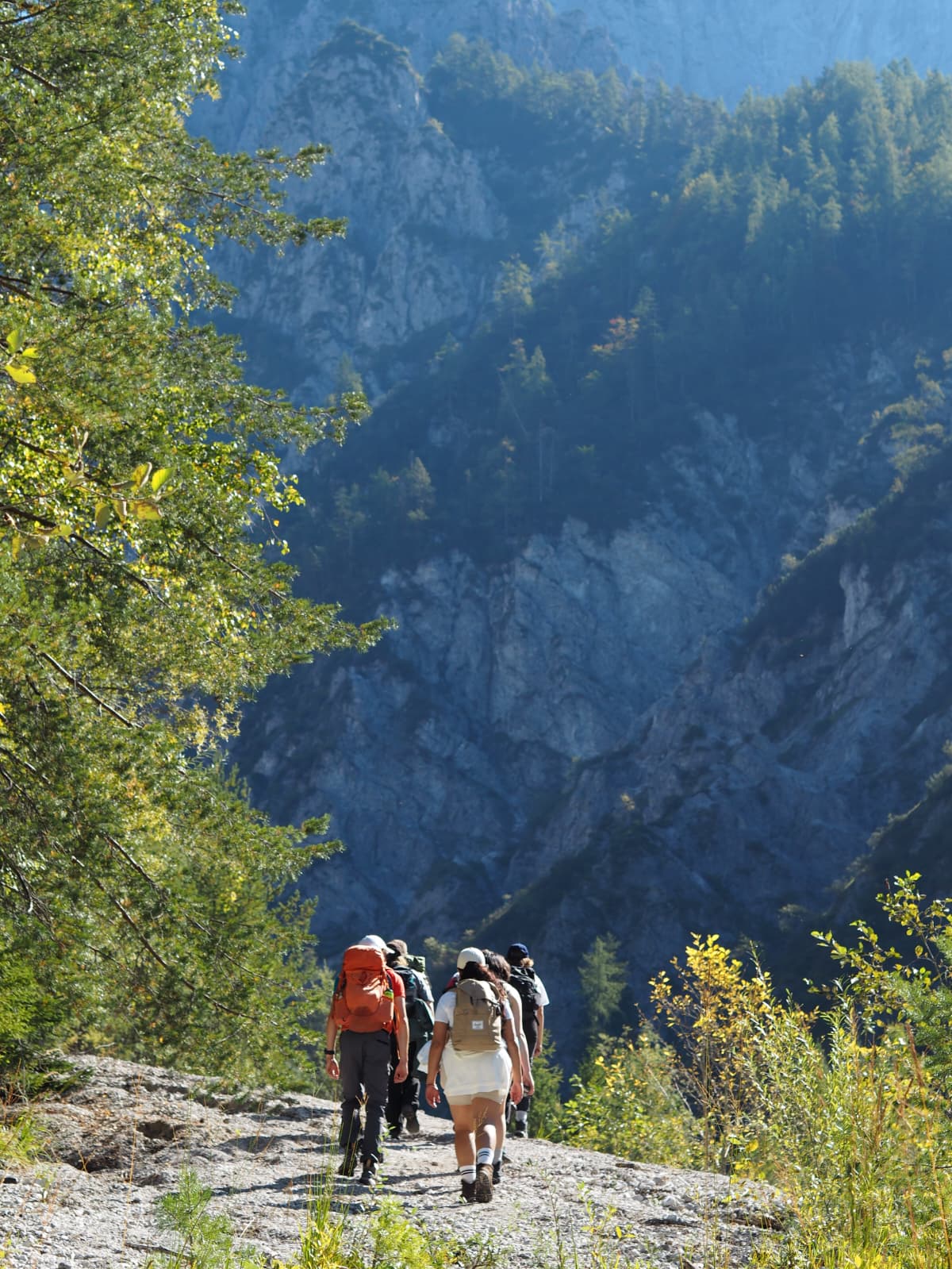
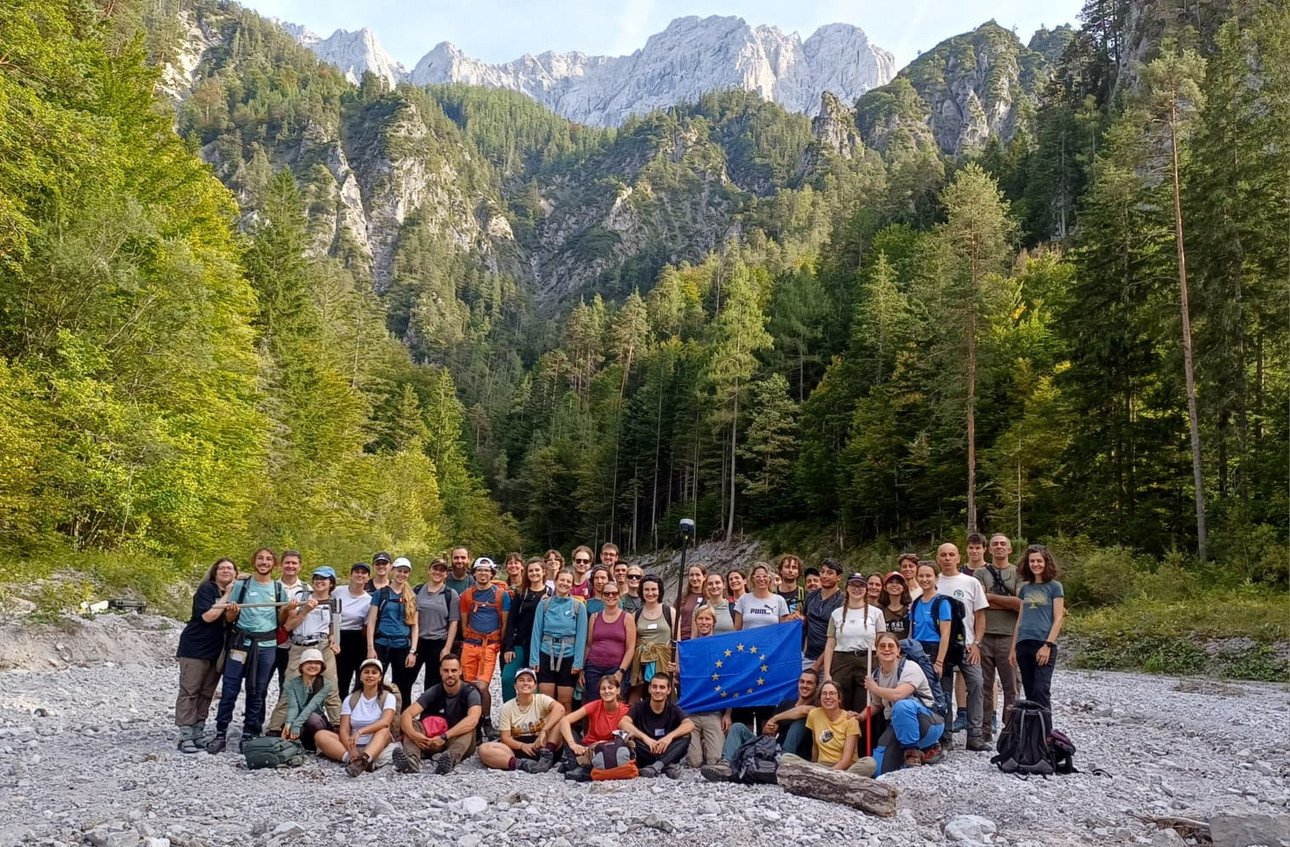
Our excursion is part of the Erasmus+-project BESTNATUR. While the main aim of the project is to develop online teaching modules about biodiversity, a field session is held every year, bringing together students and teachers from all participating universities. This year, we are 43 students and their professors from Austria, Italy and Germany, plus experts from UNESCO and the national parks themselves. We spent a week exploring and learning in Kalkalpen and Gesäuse National Parks in Austria.
The first destination of our trip is the long-term ecosystem research station at Zöbelboden, operated by the Environment Agency Austria (EAA) which does pollutant measurements. The scientist Thomas Dirnböck, who leads the way, explains in detail how the two stations, the weather tower, and the various instruments function, providing crucial data for the Federal Environment Agency.
The trip down turns into an even bigger adventure than the ascent. It begins to rain. The terrain becomes treacherous. Some students lower themselves to the rocks, sitting and scooting their way down the slippery escarpments. Exhausted but thankfully uninjured, we return to our bus and its skillful driver with big smiles and good memories.
During this experience, some of us pushed themselves beyond their limits and had to go slow the next day to recover. But it’s not just humans that need time to recover – nature itself has been overextended. The 2025 Global Tipping Points Report details how and why we are at risk of losing precious ecosystems like Kalkalpen. While the risk is dire, there is also hope. The report discusses positive tipping points: “self-reinforcing shifts in policies, technologies, finance, and behaviours that can drive change at unprecedented speed and scale”. One of these shifts is taking a united, global view on issues like climate change and biodiversity conservation.
The BESTNATURE program aims to promote exactly that. An Erasmus+ project made in accordance with the European Biodiversity Strategy, the course combines online learning and hands-on field experience to teach vital skills in ecology, natural resource management, remote sensing, and science communication to the next generation of scientists.
Remote Sensing
One of the most revolutionary of these methods is remote sensing – utilizing cutting edge technology like satellites, drones, and computer modelling to explore and catalogue nature. Using LiDAR (light detection and ranging) laser technology, we can map forests and mountains in extraordinary detail, revealing the hidden layers of nature with great precision. This innovative method allows scientists to see beyond what the eye can perceive, tracing the contours of landscapes, measuring forest density, and capturing how ecosystems transform over time. Such knowledge helps us not only understand environmental change but also find hope in how technology can support the restoration and protection of the natural world.
River Monitoring
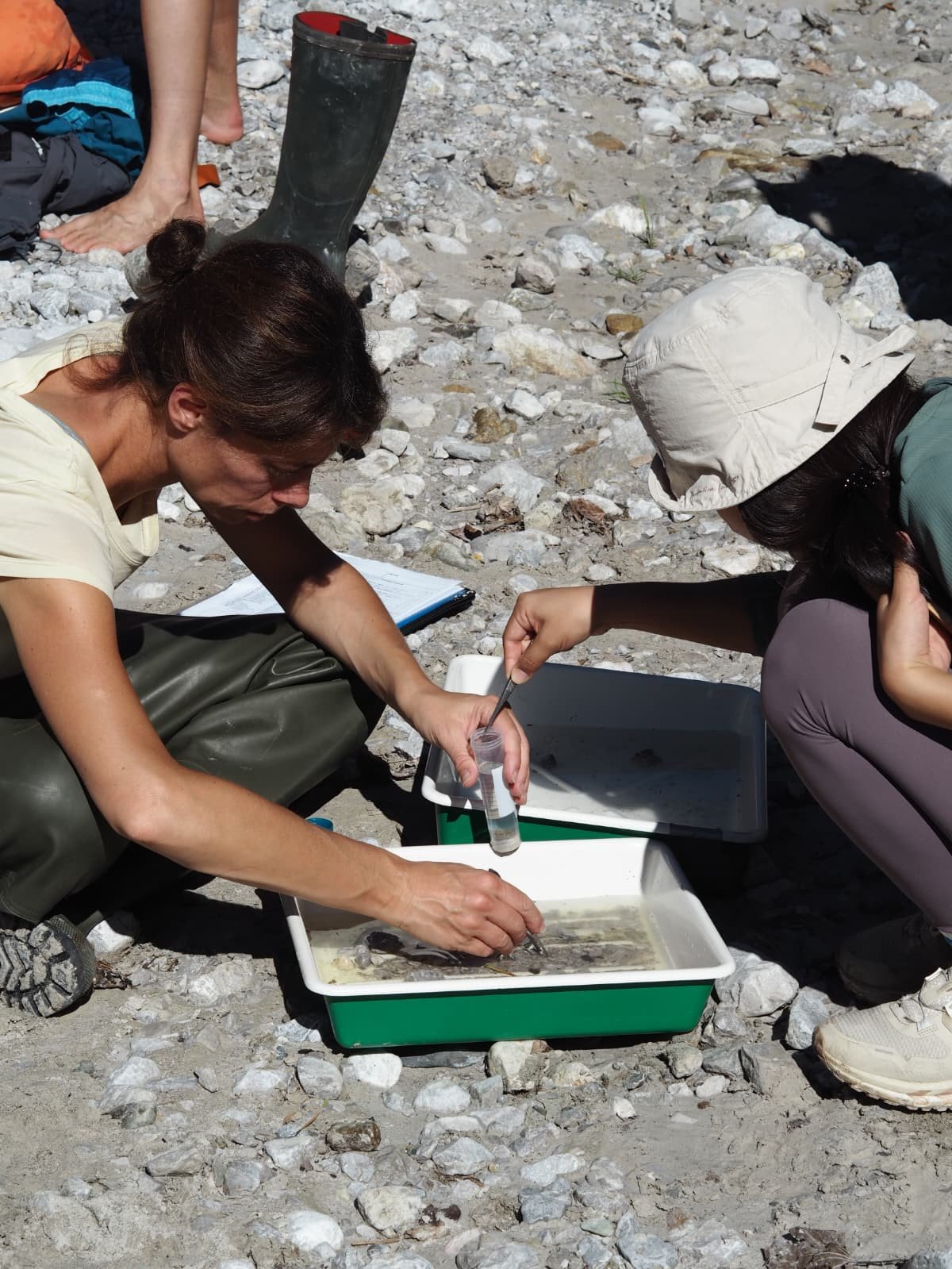
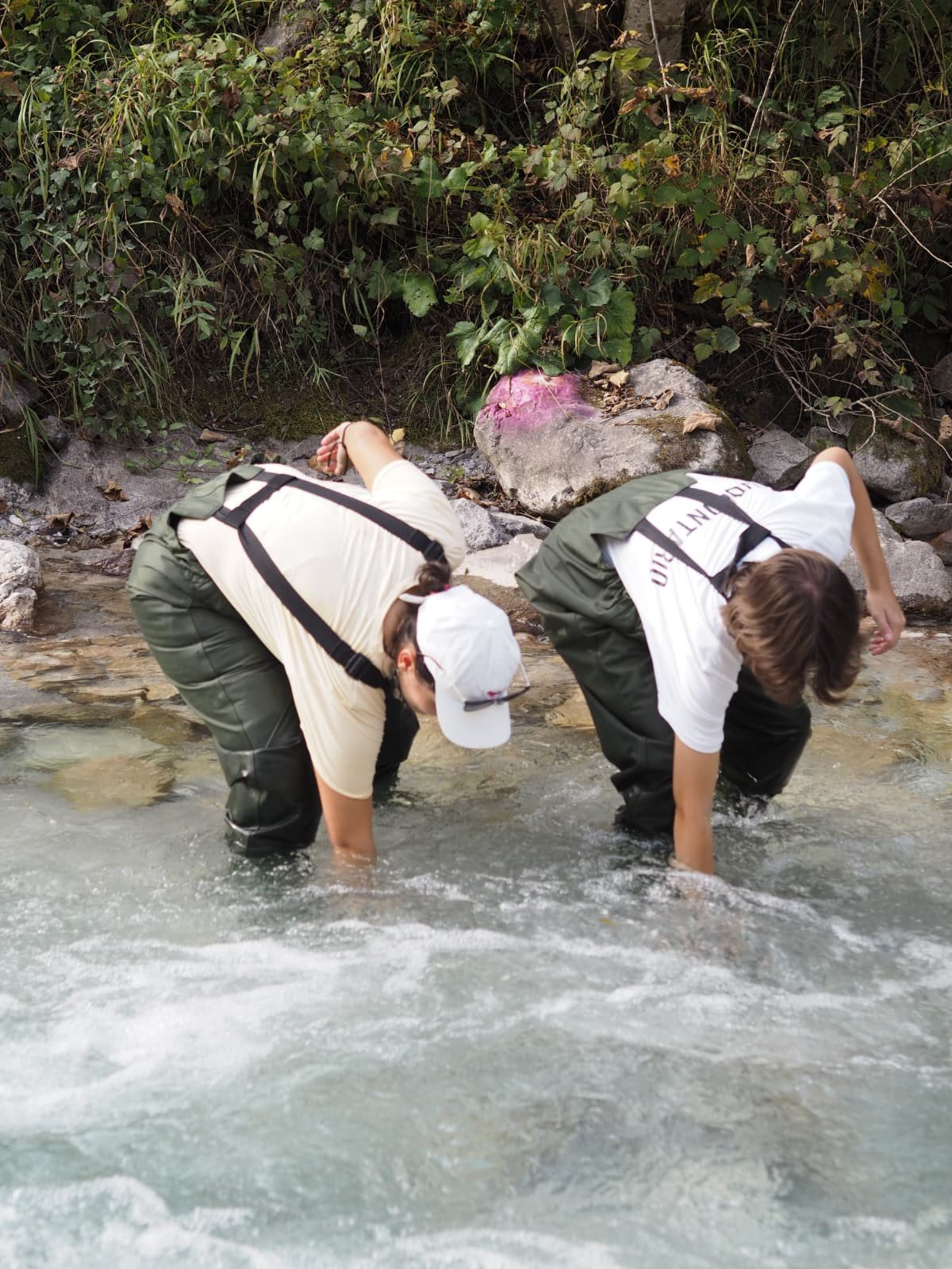
Yet not all insights into nature require sophisticated instruments. Macroinvertebrate river monitoring is a time-tested method that requires little more than a net, some rubber boots, and a catalogue of the different species one might find nestled between the rocks. This technique utilises macroinvertebrates – creatures like the aquatic larva of dragonflies, caddisflies, and stoneflies – as bioindicators. Some species are more sensitive than others and will quickly disappear in a polluted river. The abundance and diversity in these tiny riverbed communities can tell us a great deal about the health of a river and the environment that surrounds it. If surveyed over time, biodiversity changes can serve as a canary in a coal mine, warning us of ecosystem degradation. Fortunately, the efforts to protect the waterways in Austria’s national parks has paid off – our samples were teeming with biodiversity and sensitive species.

Forest Structure
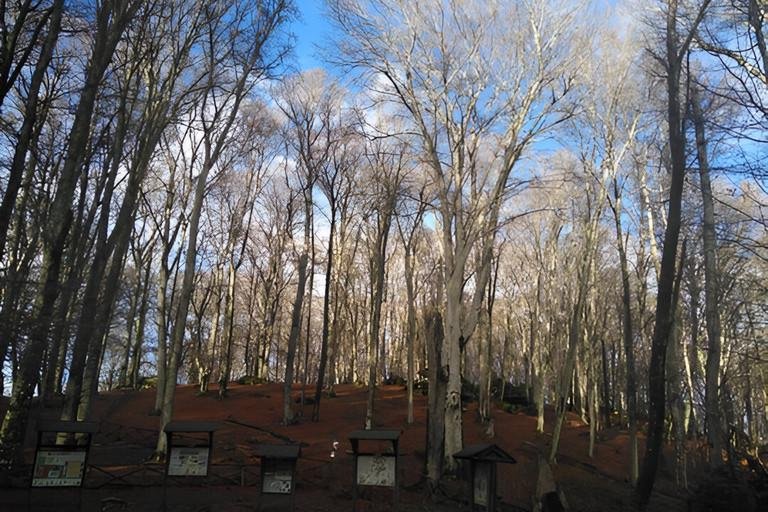
Another method is forest structure analysis, which describes the composition of a forest. In other words, how trees of different species, sizes and age classes are spatially arranged. To do this, we select a spot as our centre and start measuring every tree in a 10 meter radius, working clockwise. We clamber over rocks and fallen logs, holding up tape measures and shouting measurements for tree height and trunk diameter. We make note of which trees have lichens, holes, cracks, branch rot – all of these characteristics help us determine which microhabitats are prevalent in the area.
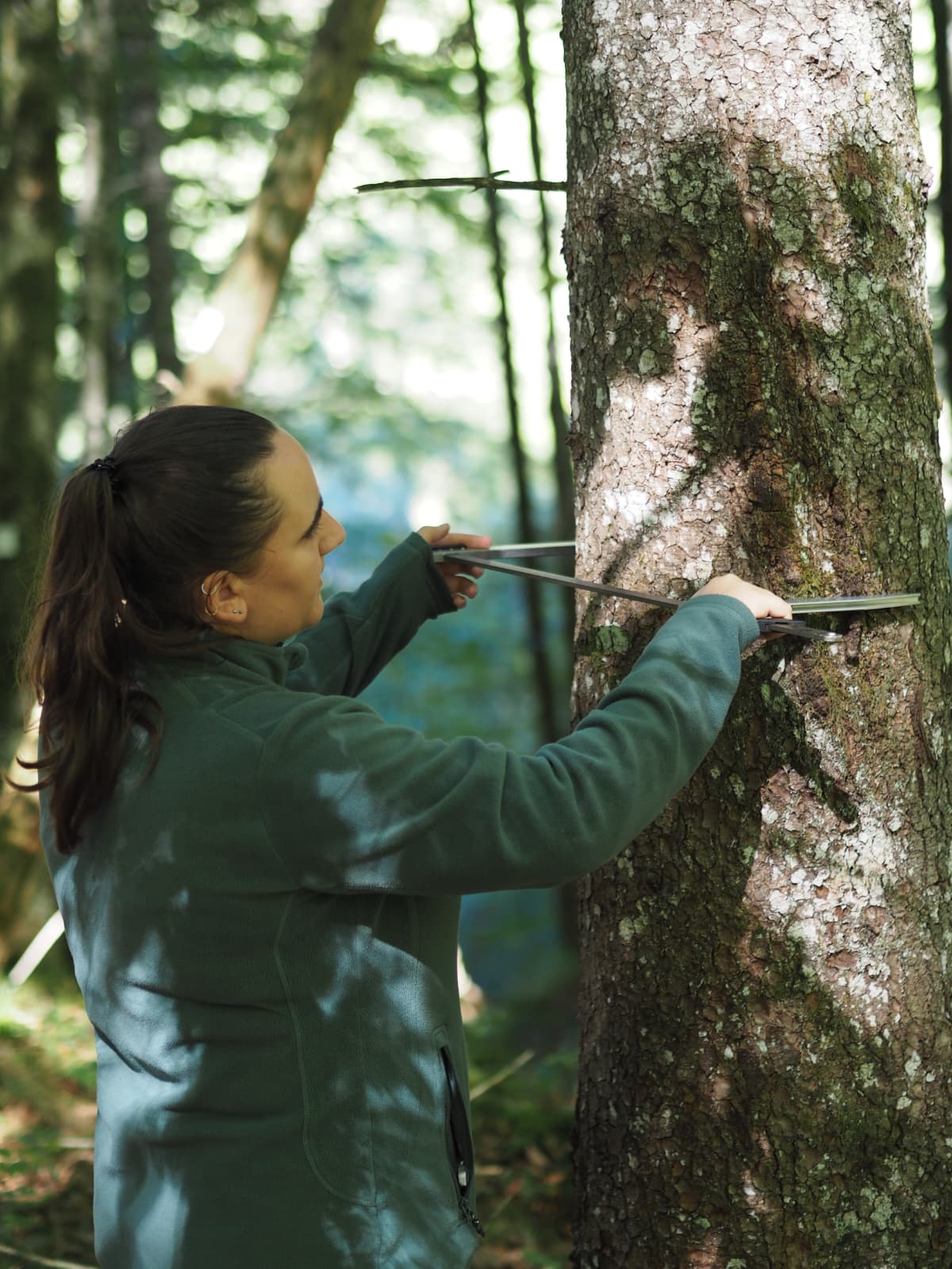
The end goal is to understand the ecological balance, biodiversity and stability of the forest – which can be derived by the data collected by scientists. For example, when many exotic species are present, it often indicates that a forest is shaped by human activity rather than just being a natural ecosystem.
Analysing forest structure can also help identify a need for silvicultural interventions. An important principle of natural resource management is not only how to intervene, but when. One species that puts our frameworks to the test is Ips typographus, the European spruce bark beetle. While bark beetles are a native species and part of Austria’s natural ecosystem, climate change has made trees less able to defend themselves. Forest managers must make decisions on when to intervene, carefully weighing when to let nature take its course and when to intervene to protect the resources of local communities.
Another important indicator can be found on our bodies. At the end of an exhausting day of field research, one intrepid student endeavours to survey the number of tick bites, cataloguing each victim and their tick count. Brave volunteers offer their ticks up in small vials of ethanol, ready for potential lab testing. The high number – 18 ticks in a single day – is of scientific importance. As the climate warms, ticks and their associated diseases become more prevalent and reach further north.
Over the course of the week, we witnessed firsthand how the challenges of biodiversity demand both scientific precision and local rigor. At the same time, it became clear that safeguarding ecosystems requires more than innovative tools or established methods. It depends on collaboration across borders. Our excursion laid a first foundation for such cooperation. We exchanged data in one moment and cultural trivia in the next, not least during the final evening’s quiz. In doing so, the week quietly forged a multinational network of emerging scientists, connected by shared curiosity and a deeper understanding of forests and biodiversity.
About the authors:
The text was written by students as part of the science communication training module within BESTNATURE:
All pictures were taken by students during the BESTNATURE Field Week 2025.