The text was written by students during the Science Communication module within the Erasmus+ project BESTNATURE.
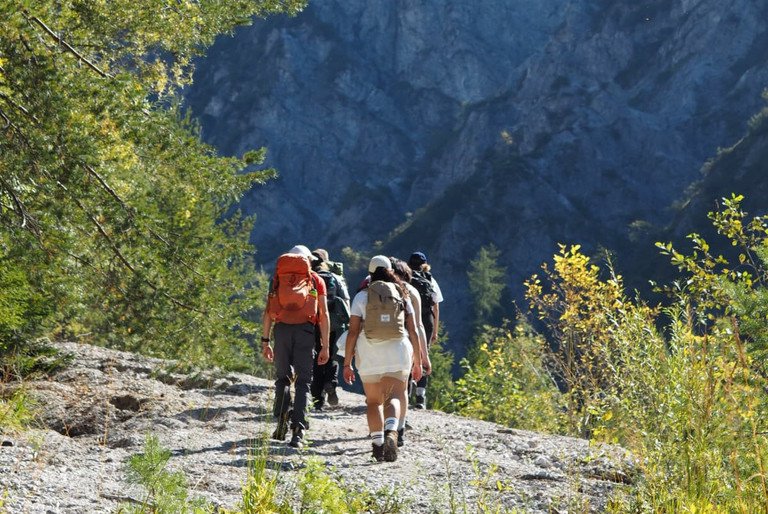
We walked under the shade of Mediterranean vegetation, following narrow paths that slowly climb through the hills of the Uccellina range. The air smelled of salt, warm earth, and pine resin. The landscape shifted with every turn: patches of dense scrub, open clearings, quiet wetland areas hidden inland, and long stretches of forest unfolding toward the sea. Then we reached the top and suddenly, everything opened.Below us extended an immense expanse of pine trees, crossed by the broad line of the Ombrone River. For a moment, nobody spoke.
At first, we saw these landscapes mainly as beautiful. We didn’t yet know how to read the information the landscape held. That changed over the course of the next days.
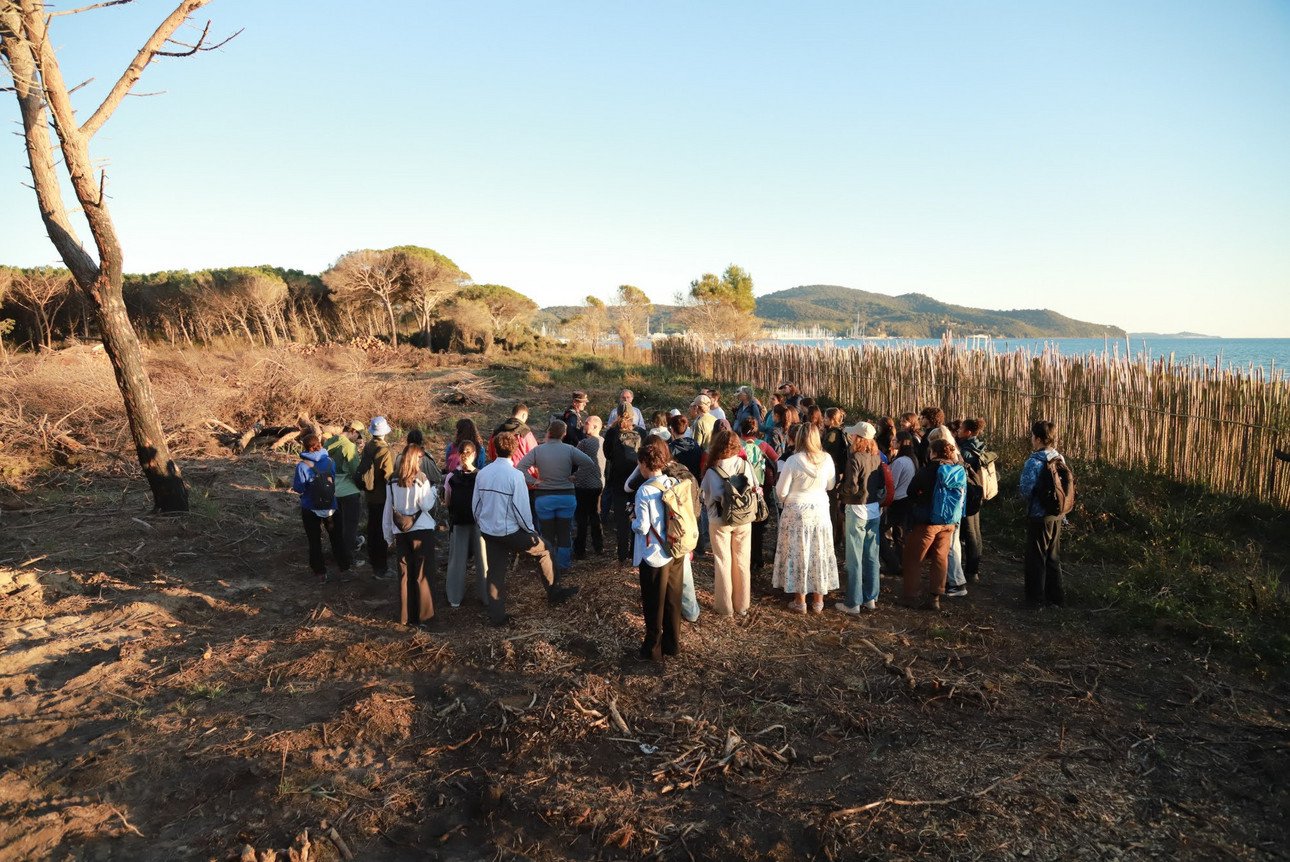
In April 2026, the BESTNATURE field week brought together more than forty students and lecturers from Italy, Austria, and Germany for a week of field activities across southern Tuscany. As part of the Erasmus+ project BESTNATURE, led by Professor Christine Schmitt from the University of Passau, the programme combined the online modules developed throughout the year with hands-on experience in protected areas. Our classroom became the ecosystems themselves.
Dendroecology: Reading the Memory of Trees
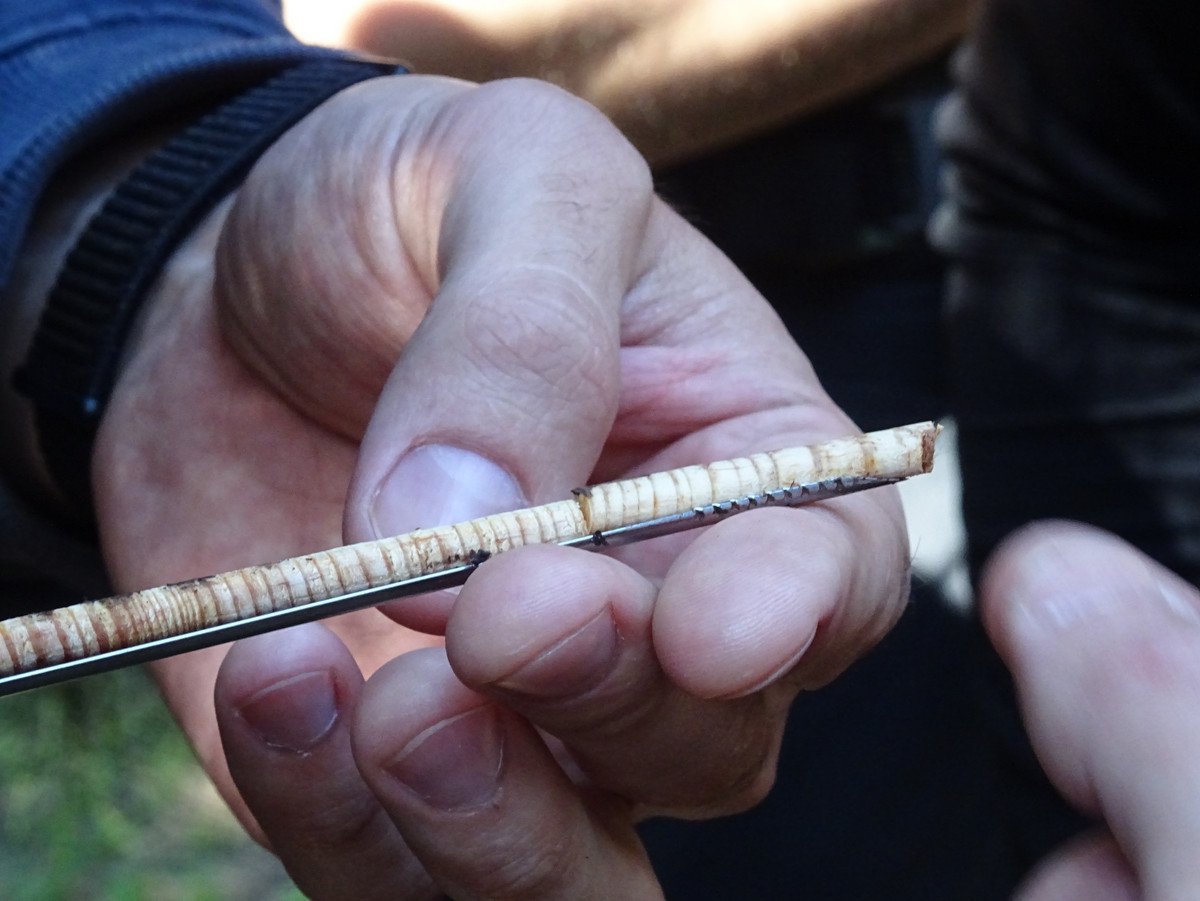
A tree trunk can hold a memory spanning decades or even centuries in some species. Reading them requires dendroecology, the study of tree rings.
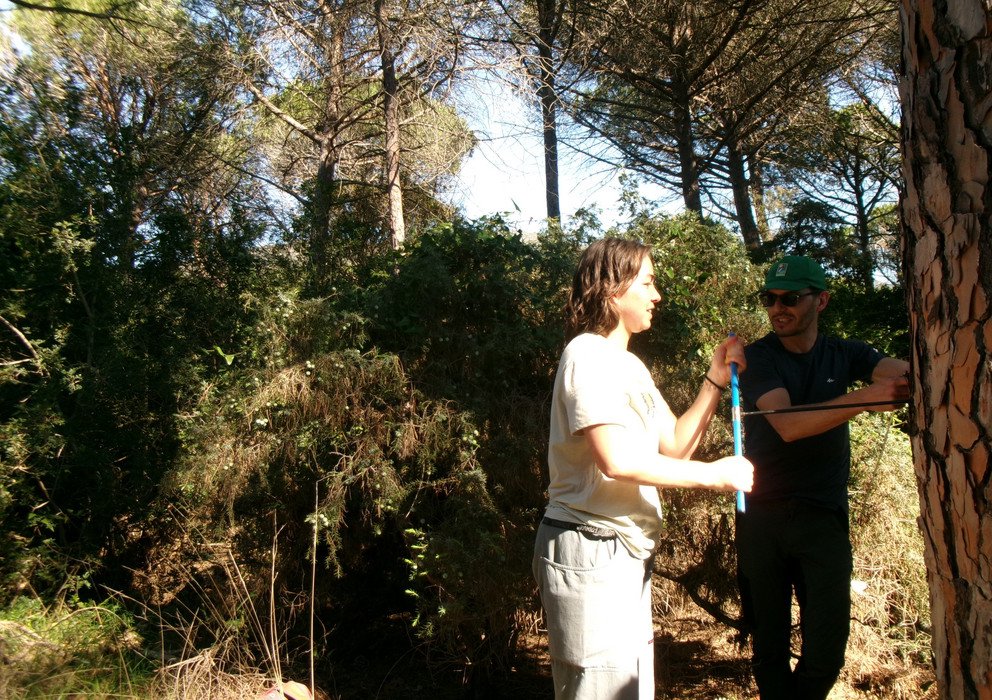
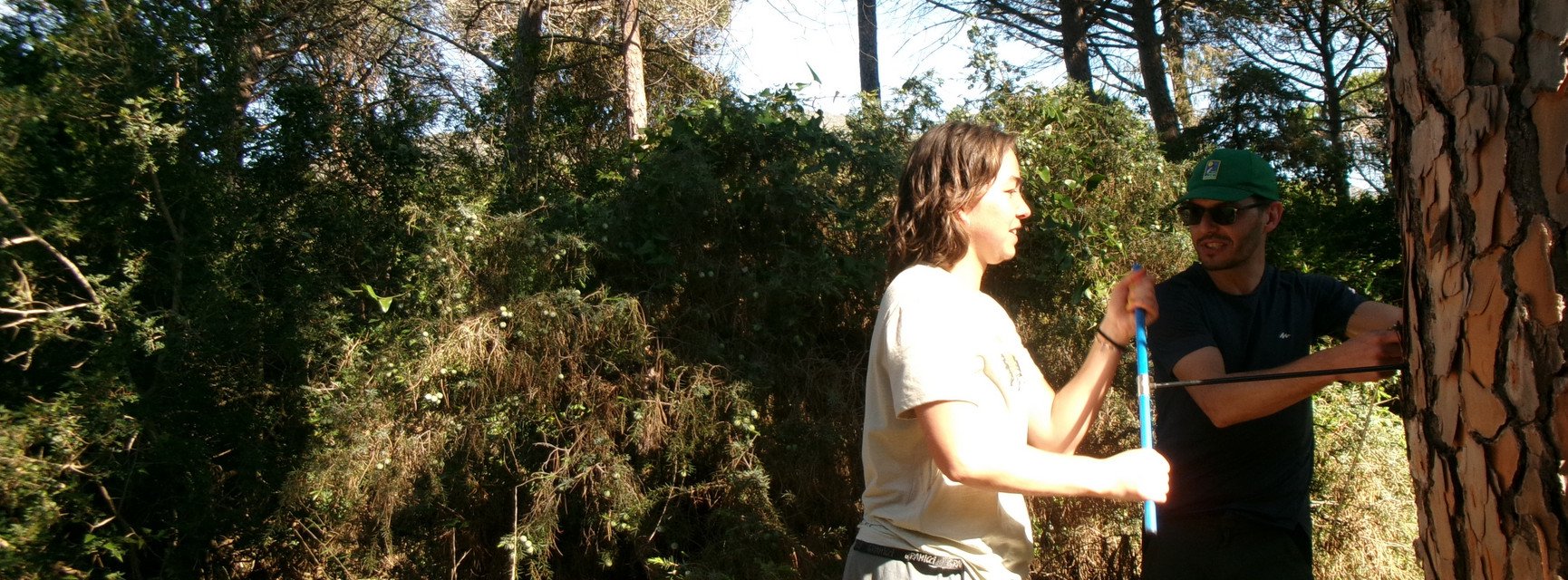
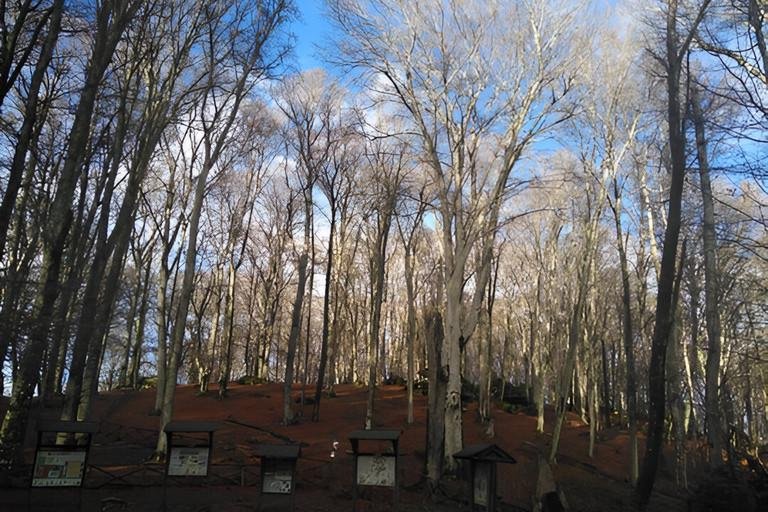
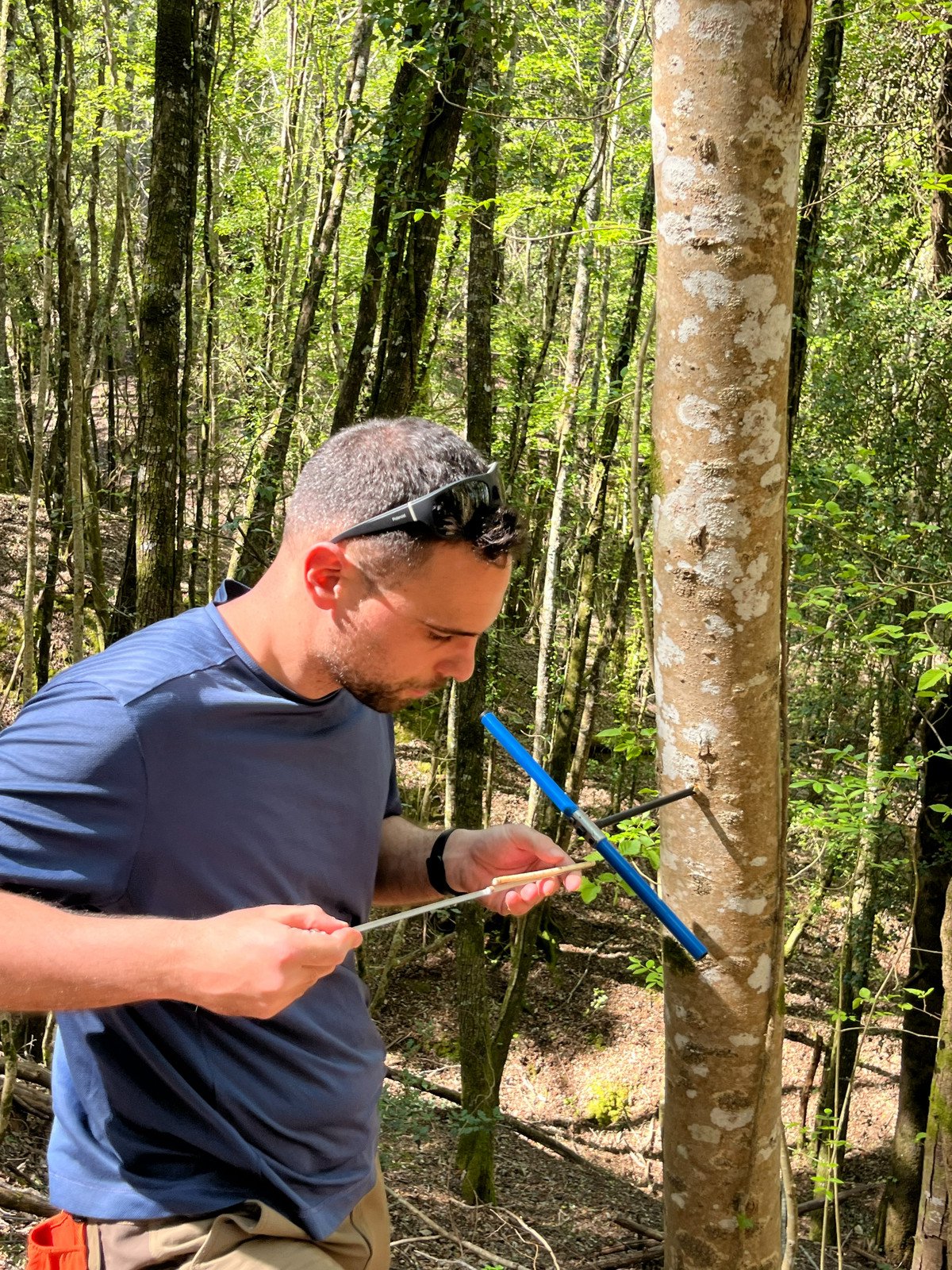
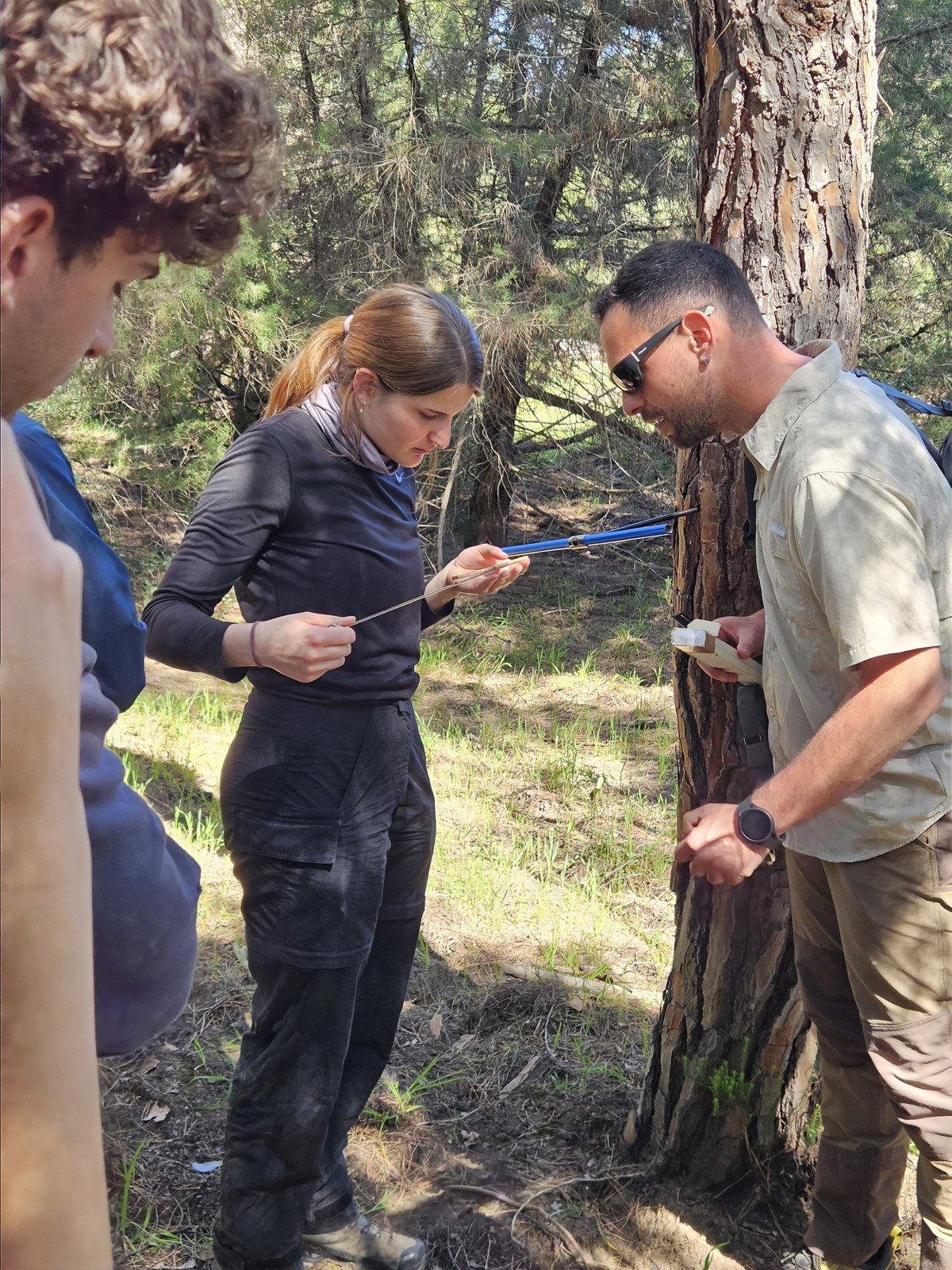
We walked through the Belagaio Beech Forest, Feniglia Dune Forest Reserve and Maremma Regional Park with experts Jordan Palli and Michele Baliva from the University of Tuscia. They told us how to use an increment borer and collect core samples from different tree species. This monitoring activity required more patience and physical strength than we had expected. Positioning the borer into the tree trunk and continuously rotating it was particularly challenging in dense, resinous wood like cork oak (Quercus suber) and holm oak (Quercus ilex).
Once we began interpreting the samples, the rings told stories. The number of rings revealed a tree’s age. The width of rings recorded past droughts, extreme temperatures, regional wildfires, and periods of environmental stress. We weren’t just reading the trees but we were learning to read the ecological history of the entire region.
Understanding how trees responded to environmental changes in the past is critical to protecting ecosystems in a more sustainable way in the future.
What is dendroecology, and how does it work? As part of the BESTNATURE field week, Lydia Rupprecht, a student at the University of Bologna, produced an explanatory video.
Camera traps: Observing wildlife without being seen
While walking through the forests of Maremma Regional Park, we learned how camera traps allow researchers to monitor wildlife without disturbing it. Expert Pietro Milanesi explained that camera traps can identify roe deer, wild boar, red deer, wolves, and golden jackals. In some areas, they revealed that animals researchers thought to be wolves were actually golden jackals. Camera traps can also help identify illegal human activities, such as poaching.
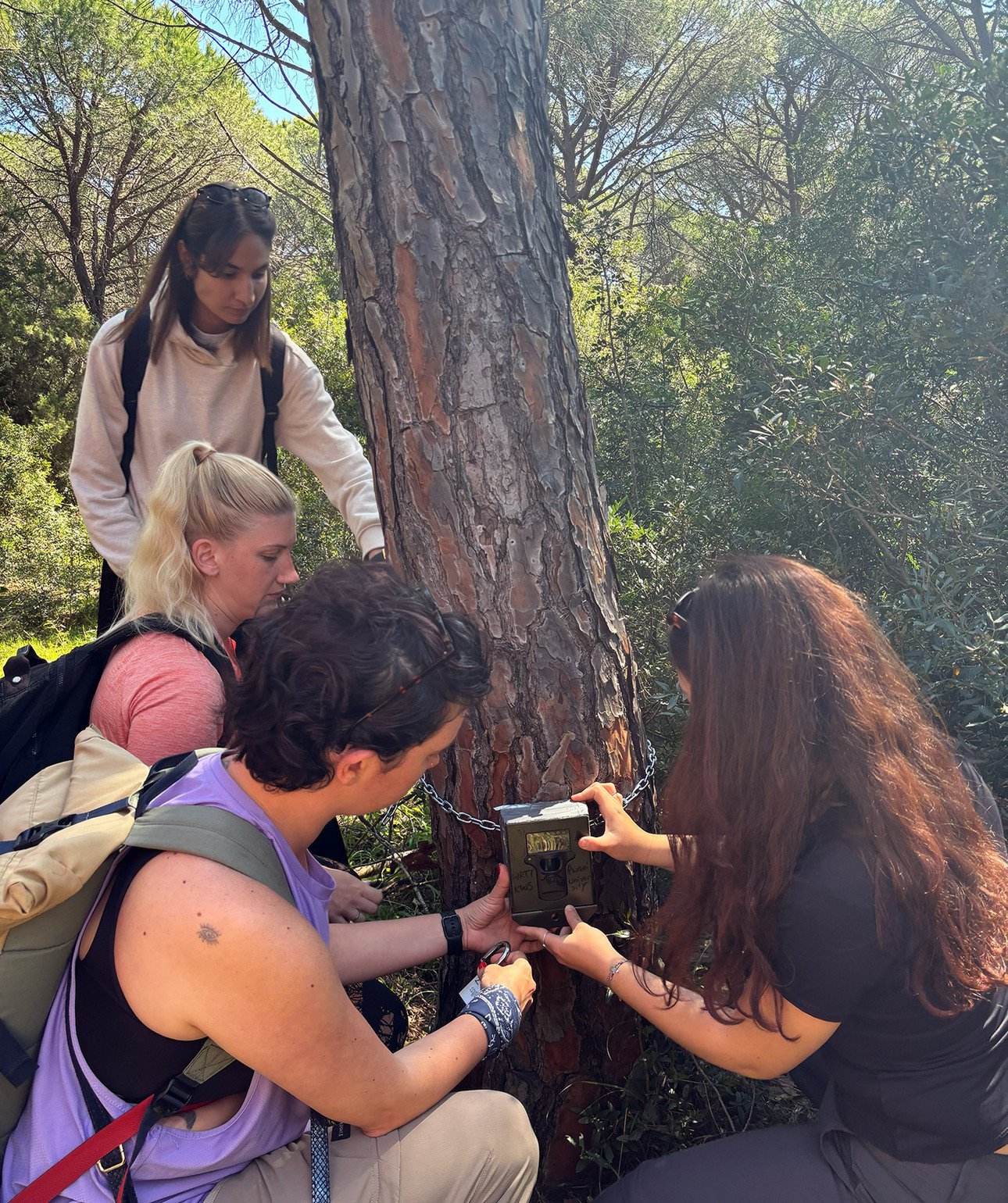
Under the guidance of geographers Kerstin Hikel from the University of Passau and Pietro Milanesi from the University of Bologna, we discovered that setting up a camera trap involves much more than simply attaching a camera to a tree. Placement depends strongly on the research question. For example, to estimate mammal abundance cameras are often positioned along animal trails where wildlife is most likely to pass. The camera must face the direction of movement so it detects animals not only directly in front of the lens, but also from a distance. Too many branches and dense vegetation can obstruct the view or trigger unnecessary recordings. Camera height depends on the target species: smaller mammals like rats require cameras near the ground. For studies of fruit-bearing trees, the camera must face the area where the fruit falls in order to observe which animals were feed on them. Finding the right tree for the setup can be challenging: it must be sturdy, relatively straight, and positioned at the correct angle to the observation area.
We didn't capture any animal images during our own brief field experiment. That was an important lesson. Our cameras were only in the forest for a few hours; real biodiversity monitoring studies require weeks or even months of continuous observation. Wildlife research demands patience, careful planning, and an understanding that nature doesn't always reveal itself immediately.
The quiet complexity of coastal lagoons: a field monitoring experience at Duna Feniglia
The Levante Lagoon of the Duna Feniglia reserve offered one of the most revealing windows into the ecological health of this coastal environment. Nestled between the Tyrrhenian Sea and the protected dune forest, this brackish lagoon occupies a transitional zone where freshwater inputs, marine influence, and terrestrial dynamics converge, making it an exceptionally sensitive bioindicator of environmental change.
Our sampling protocol followed standard macroinvertebrate survey procedures: kick-net sampling along the shallow shoreline, combined with water pump extraction, followed by careful visual sorting of the collected material on white trays. Wading in with boots and sampling directly by hand-held nets added an unexpectedly engaging dimension to the fieldwork. There is something immediate and grounding about standing in the water, net in hand, that no purely instrumental approach can replicate.
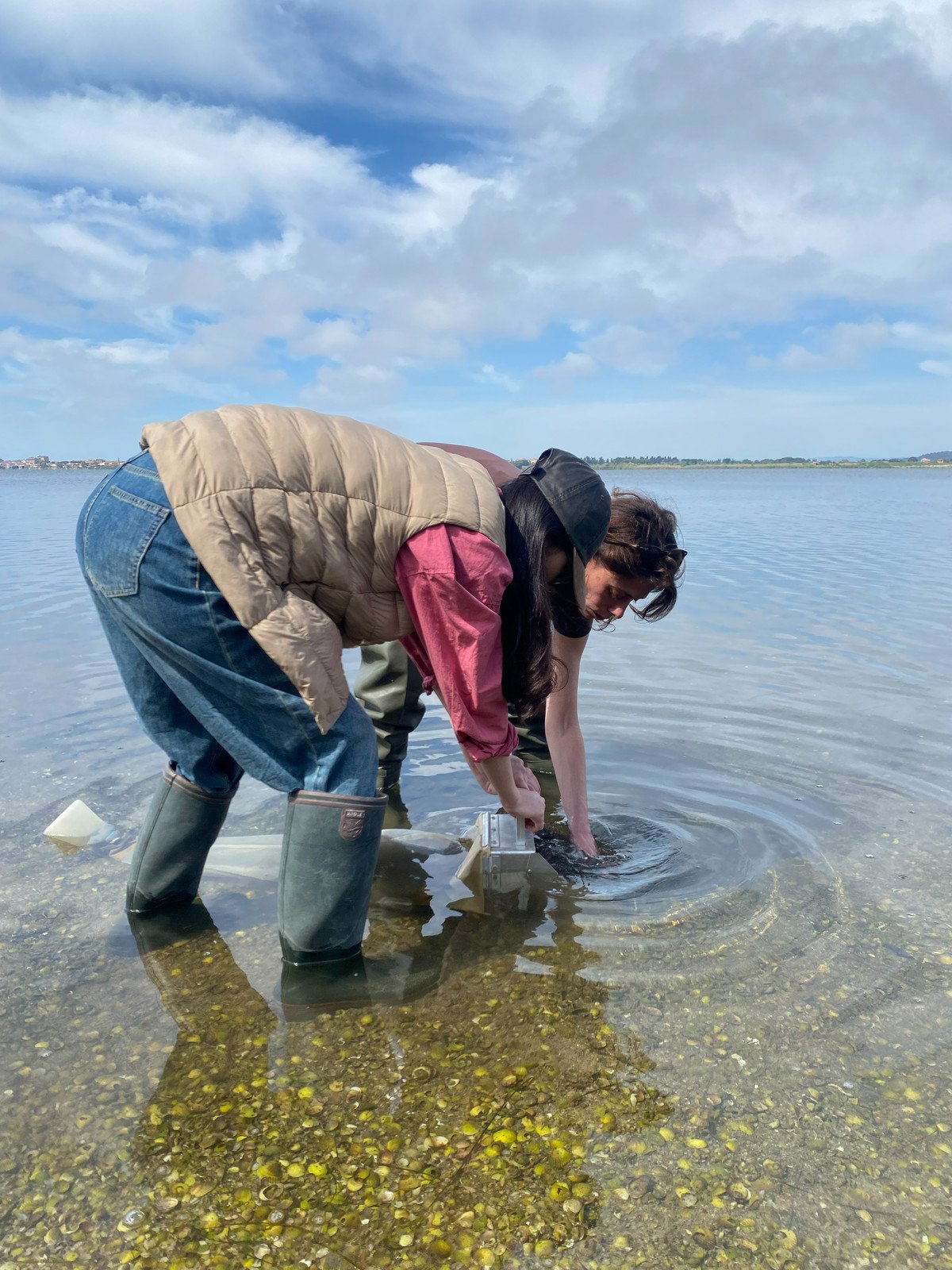
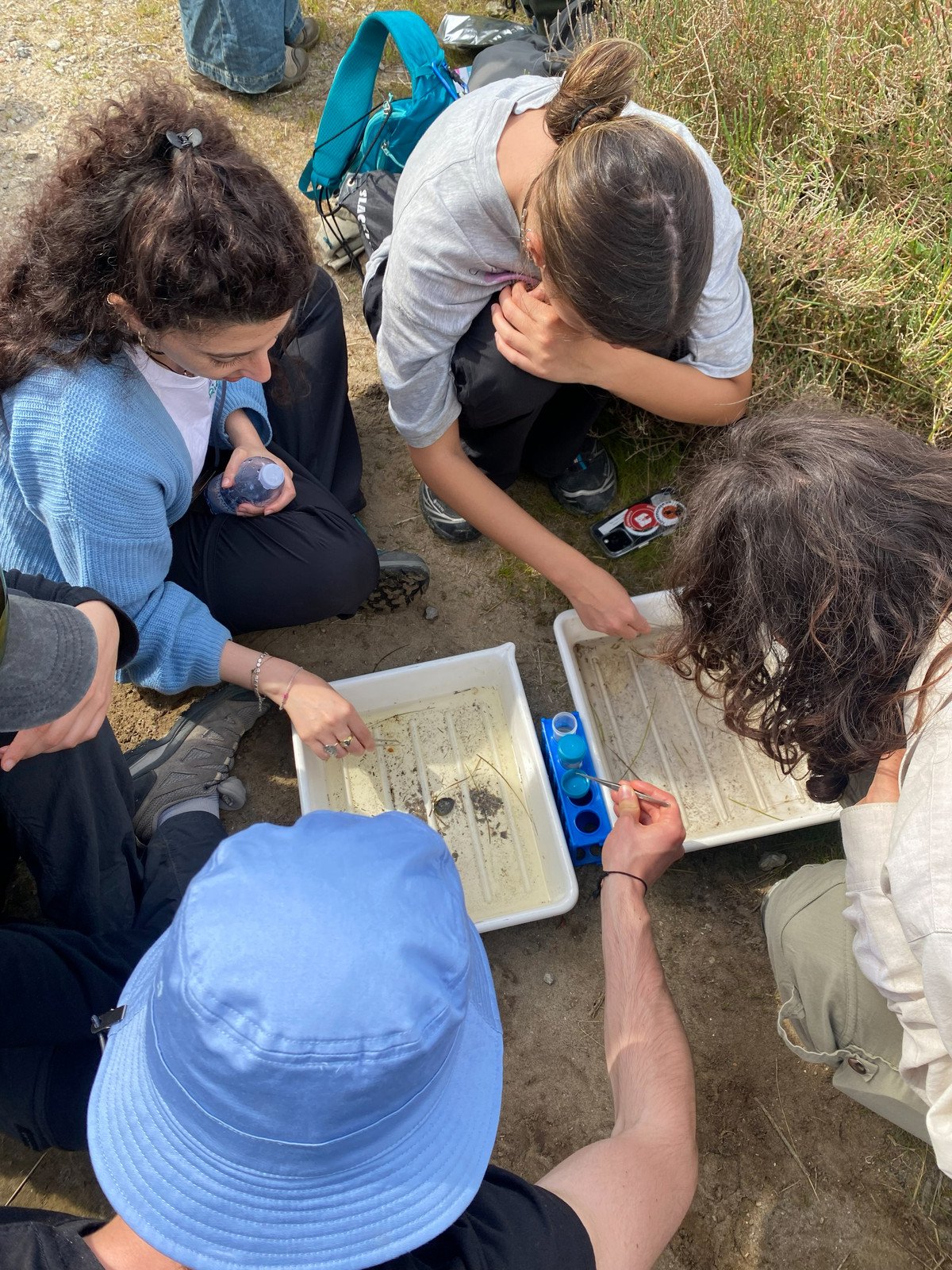
The lagoon rarely exceeds one metre in depth. Water clarity, even amid the dense accumulations of algae lining the coast, made observation surprisingly straightforward. The bottom itself was carpeted with shells, many of them coated in green algal growth, common in shallow, nutrient-rich coastal lagoons where benthic algae colonise hard substrates readily available on the sediment surface. What demanded attention was not visibility, but the meticulous work of sorting: distinguishing organisms from organic debris, and ensuring no specimen went unnoticed in the tangle of algal material.
Shallow coastal lagoons like Levante are often underestimated because of their apparent stillness. Quiet waters and slow hydrological dynamics can give the impression of ecological simplicity. Yet that very tranquility makes them both productive and fragile. They accumulate organic matter, supporting dense invertebrate communities, and provide critical refuge for juvenile fish and migratory waterbirds.
Disturbance here does not announce itself loudly; it creeps in gradually, reshaping community composition long before it becomes visible to the naked eye.
The organisms retrieved from these samples were far more than taxonomic curiosities. Macroinvertebrates serve as living archives of water quality. Their community composition and relative abundances reflect not only present conditions but the cumulative effects of past disturbances: fluctuations in salinity, nutrient loading, hydrological alteration, and seasonal stress. A diverse community rich in sensitive taxa signals ecological integrity; a depleted or tolerant-taxa-dominated assemblage tells a more troubling story.
What this fieldwork ultimately reinforced is that aquatic monitoring, much like any ecological assessment, is an act of listening. The lagoon does not announce its condition through dramatic signals; it encodes it in the subtle patterns of life that inhabit its waters.
We arrived in Tuscany looking at beautiful landscapes; we left learning to interrogate them. Each method taught us a similar lesson: biodiversity is a story written in incremental detail. Learning to read these patterns is not just a scientific exercise. It is a prerequisite for protecting ecosystems in an era of accelerating environmental change.
About the authors:
- Elisabeth Raab, Lehramt Gymnasium Geography and English, University of Passau
- Aslı Tolaman, Master Development Studies, University of Passau
- Ilaria Ghaleb, Master of Science in Global Change Ecology and Sustainable Development Goals, University of Bologna
- Giulia Gennaioli, Bachelor's in Natural Sciences, University of Bologna
- Aleyna Doğa Tello Francia, Master Development Studies, University of Passau
Liesa Cosman and Kerstin Hikel, researcher assistants at the Chair of Physical Geography with a focus on Human-Environment Research, led the field trip from the University of Passau side. Liesa Cosman coordinated the research line “Science Communication” that produced this article.
![[Translate to Englisch:] Logo: Funded by the European Union](/fileadmin/_processed_/f/a/csm_eu_funded_en_47163951a7.jpg "Flag_2colors.eps")