Modern technologies are capable of analysing substantial volumes of data at high speed. Patterns can be identified in big data, relationships can be extrapolated and new insights can be gained. Data are what new business models are built on. Data can also be harnessed to promote general welfare. Take mobility data for instance, which can be used to optimise the flow of traffic, and health data, which can be used to improve the way we treat diseases.
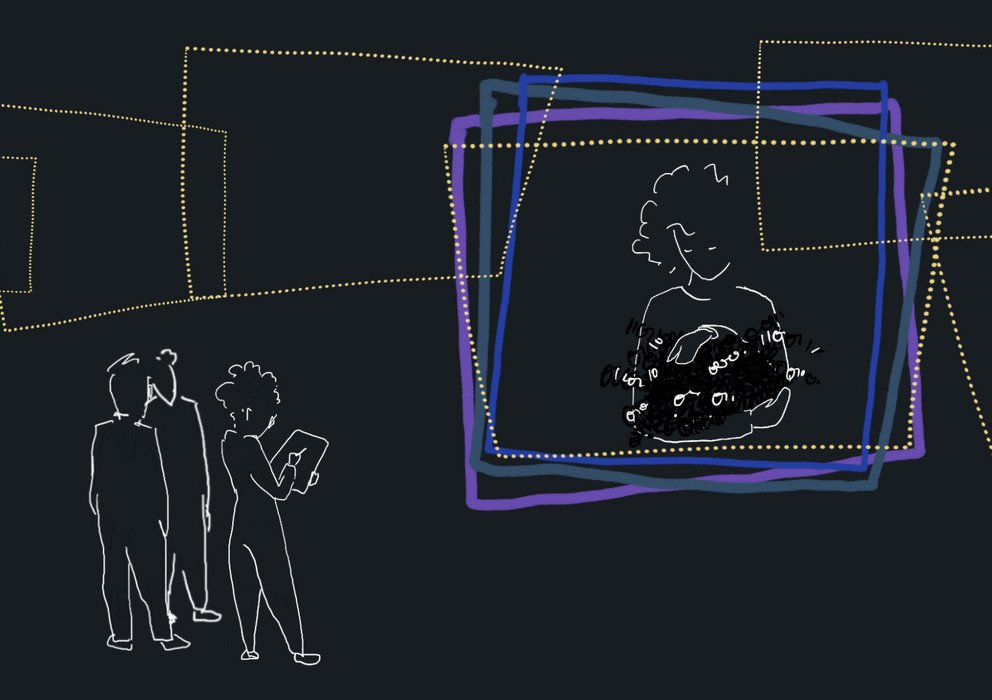
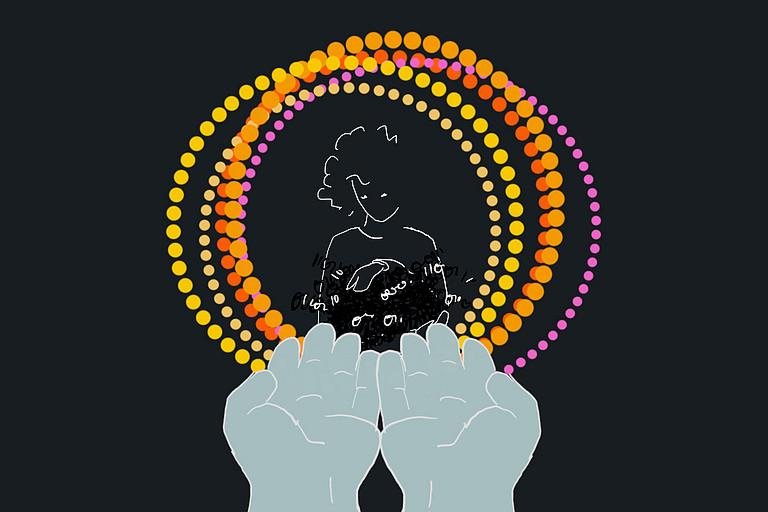
For data to actually become available, we, as citizens, need to be willing to share ours. We take many such disclosure decisions every day. For example, when we use an app, when we shop online or when we accept the cookie banner on websites. But what influences our willingness to share data? What role do the legal system and cultural factors play?
"Data ecosystems worldwide are fuelled by data, especially personal data. A prerequisite is the disclosure of personal data," says legal expert Professor Moritz Hennemann in the video explaining the bidt project "Vectors of data disclosure". "In our project, we analyse the regulatory and cultural settings determining this process."
The team takes a comparative, interdisciplinary approach: at the University of Passau, it combines cultural studies and information systems research with the jurisprudential perspective. The project is funded by the Bavarian Research Institute for Digital Transformation (bidt) in Munich. Alongside Professor Hennemann (Chair of European and International Information and Data Law), the group includes Professor Kai von Lewinski (Chair of Public Law, Media Law and Information Law), Professor Daniela Wawra (Chair of English Language and Culture) and Professor Thomas Widjaja (Chair of Business Information Systems).
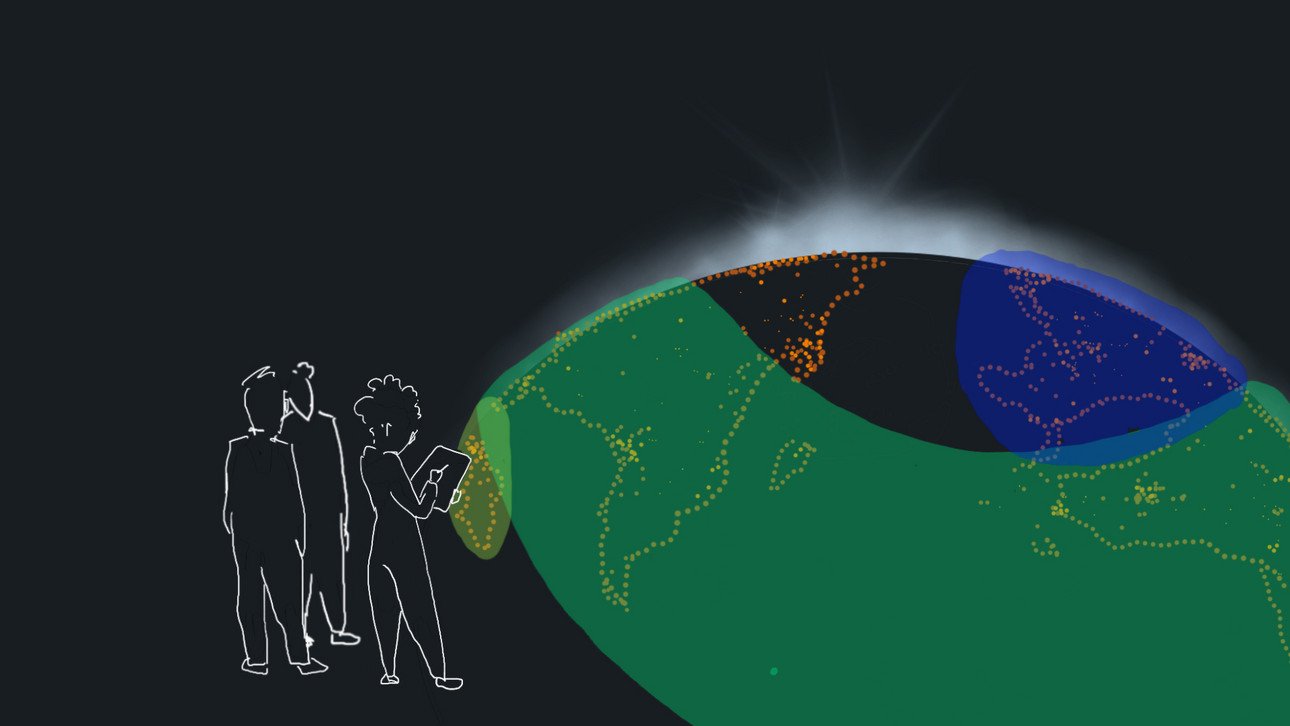
The project team is interdisciplinary, and the research topic is international: The team has selected countries from around the world in which it will monitor data disclosure in various cultural dimensions. Aside from Germany in the European Union and Switzerland as a non-EU country, they include the US as well as Brazil, China, Ghana, Japan and Russia. "In a digitalised world such as the world of data protection, the problem is ubiquitous. But regulation is still local. However, you cannot solve legal problems if the solution layer is smaller than the problem layer," says legal expert Professor Kai von Lewinski.
Just recently, the team presented its preliminary results at a bidt conference in Munich. One of its findings in the legal sub-project was that the EU's General Data Protection Regulation is readily dubbed the gold standard in theory but collides with various cultural realities in actual practice. "Besides the cultural context, there are other factors that influence whether people are willing to disclose their data in very specific situations," says Professor Daniela Wawra who heads the cultural sub-project. Questions of benefit and risk play a role, as do questions of trust.
The project team is now having a closer look at precisely this abstract sense of trust: "What we observe is that even when people are unable to say in any specific terms what data protection actually is, they have a rather abstract feeling. In our project, we are trying to understand, among other things, how this abstract sense influences data disclosure decisions," explains Professor Widjaja. Ultimately, this is key also for new business models.
The project has been running since January 2021. Following a successful evaluation, it is now moving into its third year of funding. The focus will be on country-specific data protection rights. The project researchers want to find out what part these rights play in the disclosure decision. For this purpose, the research team will again be interviewing citizens as well as data protection experts. In addition, the legal experts involved will be analysing and categorising existing regulatory tools based on the country reports previously drawn up in the project.
Illustrations: Isabel Groll