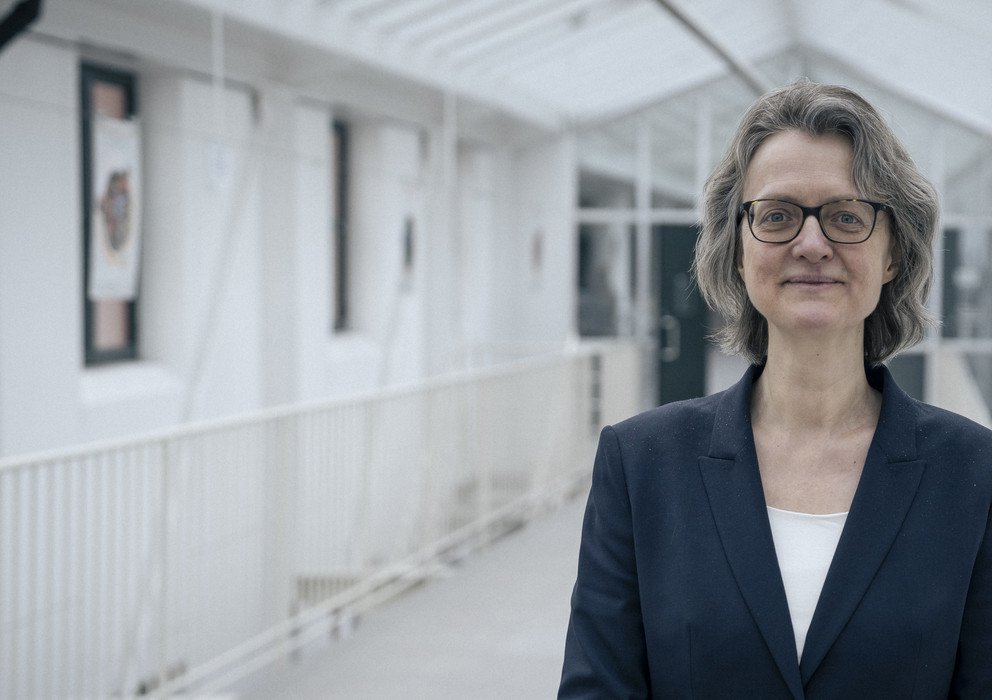
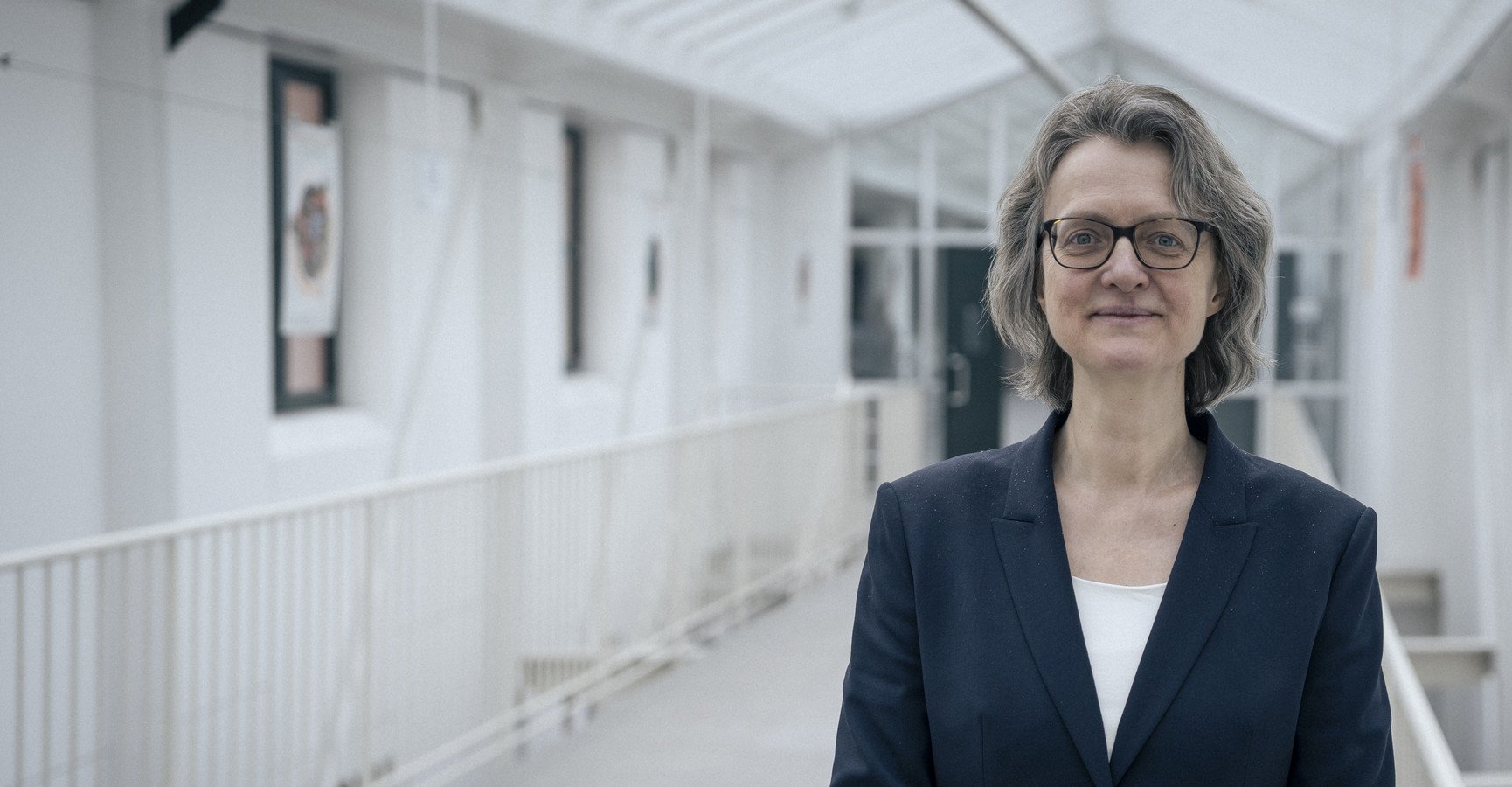
Professor Susanne Hartwig has held the Chair of Romance Literatures and Cultures at the University of Passau since 2006. She studied classical philology and romance studies at the University of Münster. Today, she heads the DFG project "Narration, expectation, experience. Disability in contemporary European theater and film". Hartwig also acts as a scout for the Alexander von Humboldt Foundation in the Henriette Herz Scouting Programme (2020-2023). In 2010, she was included in the database academia.net – The Portal to Excellent Women Academics. Since 2014, she has been a member of the academic advisory board of the Specialised Information Service for Romance Studies.
Professor Susanne Hartwig has held the Chair of Romance Literatures and Cultures at the University of Passau since 2006. She studied classical philology and romance studies at the University of Münster. Today, she heads the DFG project "Narration, expectation, experience. Disability in contemporary European theater and film". Hartwig also acts as a scout for the Alexander von Humboldt Foundation in the Henriette Herz Scouting Programme (2020-2023). In 2010, she was included in the database academia.net – The Portal to Excellent Women Academics. Since 2014, she has been a member of the academic advisory board of the Specialised Information Service for Romance Studies.
"In my research, I am interested in shedding light on the role aesthetic texts play in our understanding of how cultures are organised. I had actually started asking about the paradigms that guided different societies in different ages while still a student. Let me give you a little mental exercise from my research to help you get the idea: What do you think is the 'right' reaction to finding out that someone has a serious disability? What are the contextual factors that determine your response? Novels and films tell us how people think, feel and act in situations – and, in so doing, provide us with clues to cultural patterns. Encountering a culture other than your own heightens your awareness for your own compartmentalised ways of thinking."
How is disability portrayed in contemporary culture? Professor Susanne Hartwig explains research findings on the representation of disability in Art.
By playing the video, I consent to establishing a connection to YouTube and to the transmission of personal data (such as the IP address).
I agree that a connection to the Vimeo server will be established when the video is played and that personal data (e.g. your IP address) will be transmitted.
I agree that a connection to the YouTube server will be established when the video is played and that personal data (e.g. your IP address) will be transmitted.
Show video