What do you do when the nearest hospital is three hours away and you’re not sure whether a cough warrants a visit to the doctor? For millions of people in rural areas of sub-Saharan Africa, this question is part of everyday life. Laura Stock, a doctoral candidate at the University of Passau’s Research Training Group ‘Digital Platform Ecosystems’, wants to find out whether a mobile phone could be the answer – in other words, whether telemedicine actually improves healthcare in these regions.
A few weeks ago, the researcher flew to northern Togo to carry out household surveys. How do people currently seek medical help? How do they feel about the idea of telemedicine? And above all: do they even have the technical requirements for it – internet access, a mobile phone?
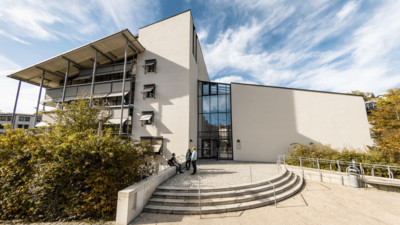
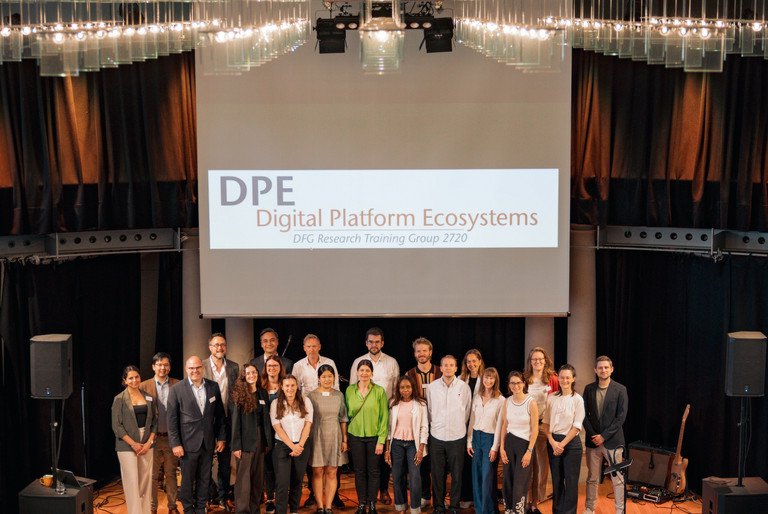
Stock is one of the doctoral candidates at the DFG Research Training Group 2720 “Digital Platform Ecosystems” (DPE) at the University of Passau. The programme takes an interdisciplinary approach to the study of digital platforms – not only from a technological perspective, but also with regard to the risks and opportunities presented by digital platforms in the Global South.
Sub-Saharan Africa: Challenges in healthcare
“Healthcare systems in many countries in Sub-Saharan Africa are characterised by demand and supply side problems,” explains Stock in the video. “Distances to points of care are often very, very long. Patients have to travel for hours and wait for a long time. Medical staff are frequently overworked and underqualified to treat complex problems.” Added to this is a lack of knowledge: patients do not know when they should undertake the long journey to see a doctor, which can sometimes take several hours.
This is where the platforms come into play. “Via digital platforms you can, for example, provide remote care,” says Laura Stock. “You can consult with medical professionals in other locations. Or governments could run information campaigns, which might be more cost-effective than traditional methods.”
Results from Togo

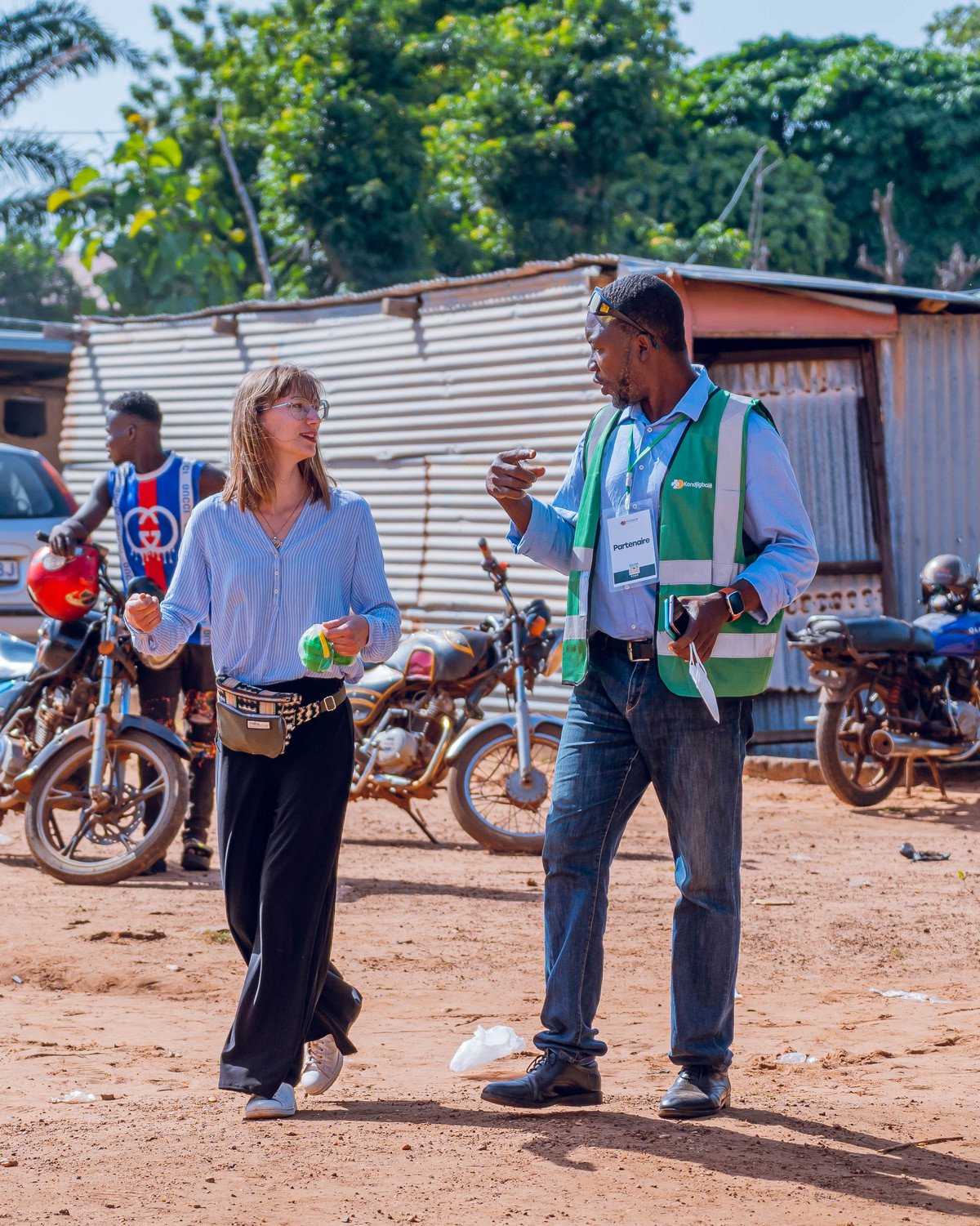
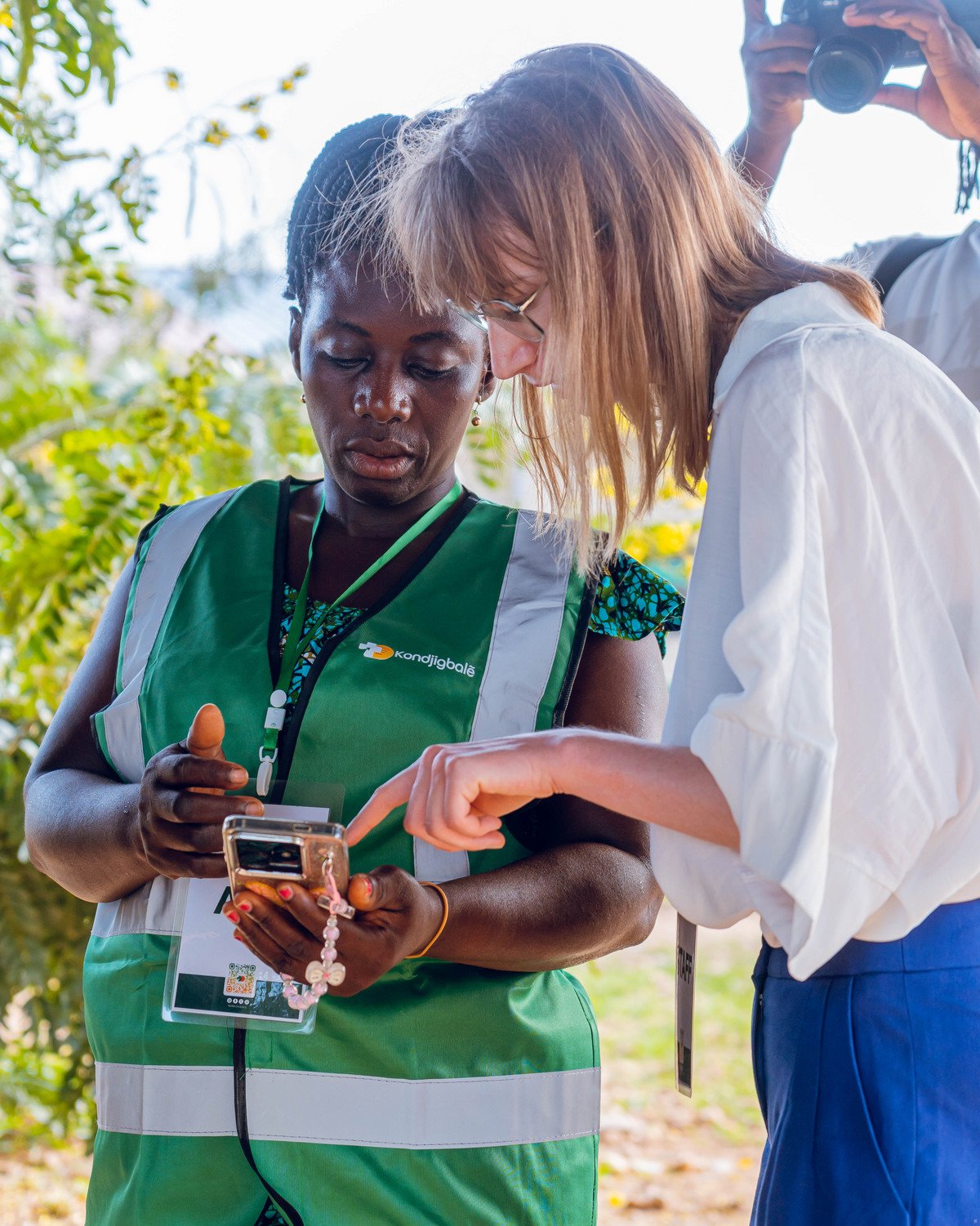
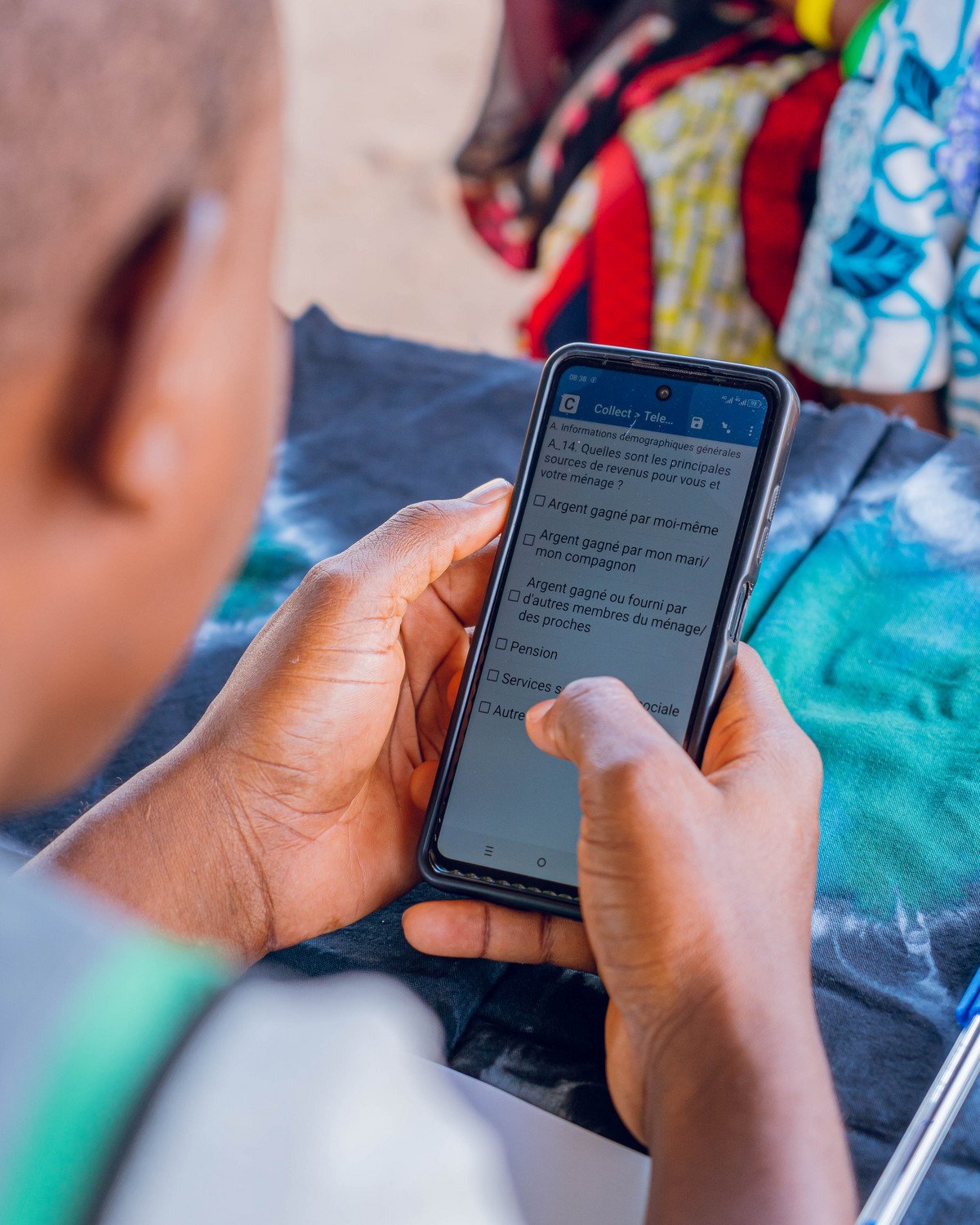
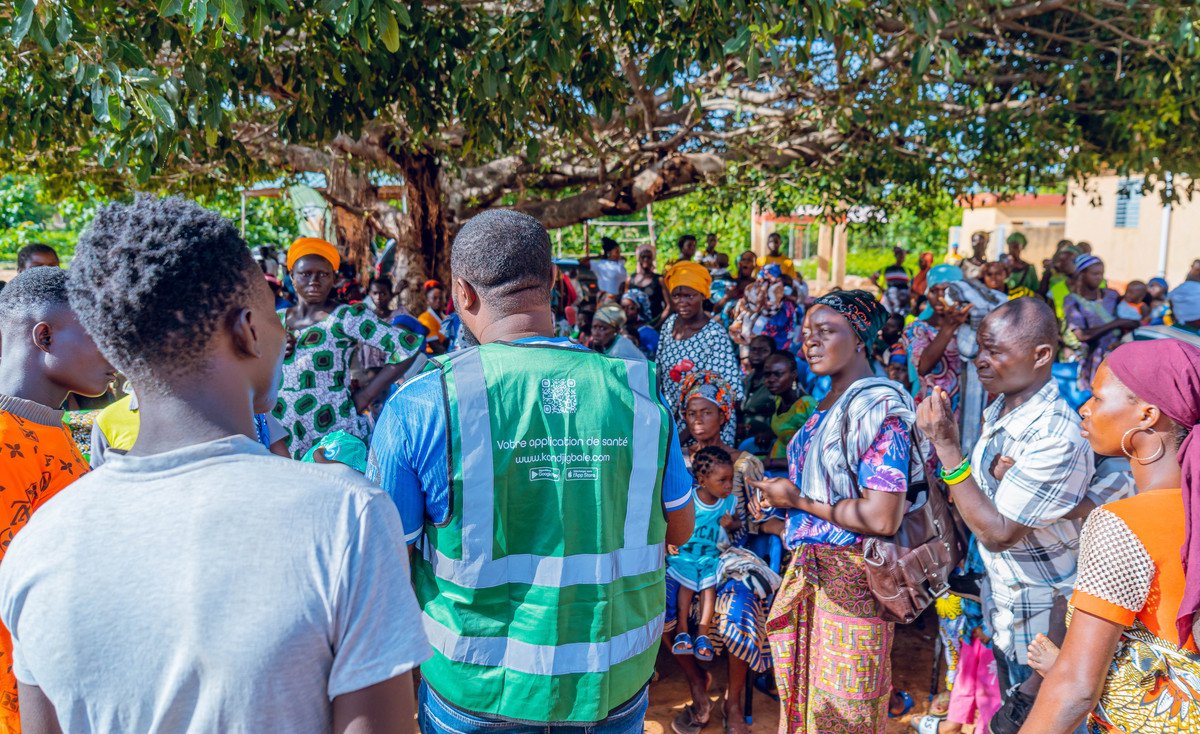
Laura Stock during her stay in Bassar in northern Togo, together with local partners. Photos: Benjamin Koffi
Stock has now analysed the data from her stay in Togo. The results are promising – and not just in terms of the technical equipment. People are open to telemedicine. This is by no means a given in regions where trust in medical care is often linked to face-to-face encounters.
For Laura Stock, the stay in Togo served as preparation for a more extensive experiment. The researcher works with what are known as randomised controlled trials (RCTs). In this method of evidence-based research, participants are randomly divided into groups. One group receives the intervention – in this case, access to telemedicine – whilst the other serves as a control group and continues to receive traditional care. By comparing the progress of both groups over a longer period, it is possible to determine whether any change is actually attributable to the intervention. Only from this data can Stock then determine whether digital healthcare actually improves people’s health.
Diversity of disciplines as a strength
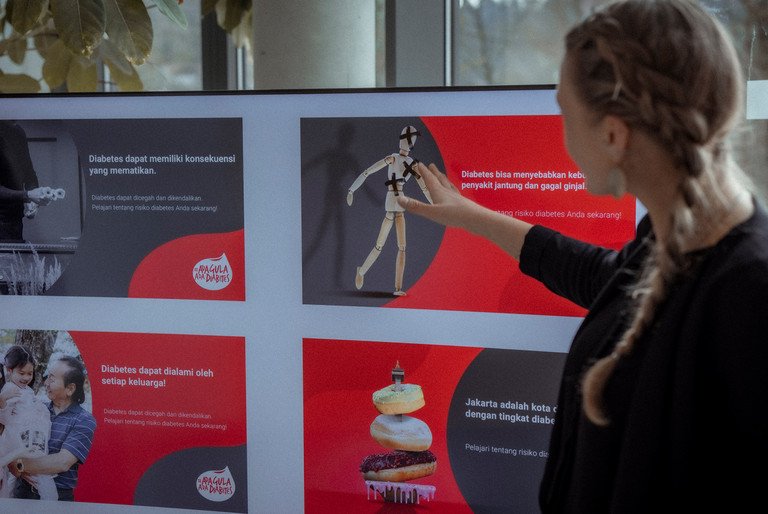
Stock’s supervisor is Professor Michael Grimm, a development economist at the University of Passau. He has many years’ experience with such experiments. For example, a team led by him investigated whether social media campaigns on diabetes are suitable for identifying patients at risk in Indonesia. The result: such campaigns can be a cost-effective and efficient way of identifying cases that would otherwise have gone undetected.
Stock’s doctoral thesis also builds on this project: together with researchers from the Kenya Medical Research Institute and the University of Minnesota, she is investigating whether information campaigns on dating apps can incentivise at-risk groups to get tested for HIV or sexually transmitted infections.
What Laura Stock particularly values about her affiliation with the Research Training Group is the diversity of disciplines. “It’s great because there are people from so many different disciplines,” she says. “If I need someone for a project where I’m using Google ads, I ask my colleague who’s researching exactly that. It’s amazing to always have this information at my fingertips and to exchange ideas with others who might not come from an economics background.”
The DFG Research Training Group 2720 “Digital Platform Ecosystems” (DPE) brings together researchers from the fields of business informatics, business administration, economics and communication studies. Funded by the German Research Foundation (DFG), the Research Training Group is the world’s largest research group on the platform economy, particularly within the field of economics. It shapes the University of Passau’s strategic research profile area ‘Digital Platforms’.