Panorama of Cheongju City in South Korea. Photo: Adobe Stock
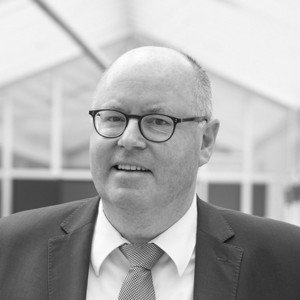
As Professor of Criminal Law, Criminal Procedure and Philosophy of Law, Prof. Dr. Byung-Sun Cho has been teaching and researching at the College of Law at Cheongju University in South Korea since 1990. From April to June 2025, he was a guest at the University of Passau and conducted research as a scholarship holder of the Alexander von Humboldt Foundation (AvH) at the Chair of German, European and International Criminal Law and Criminal Procedure Law as well as White-Collar Crime of Professor Robert Esser. The central topic of his studies was “Terrorism Criminal Law in Comparison between Germany and South Korea”.
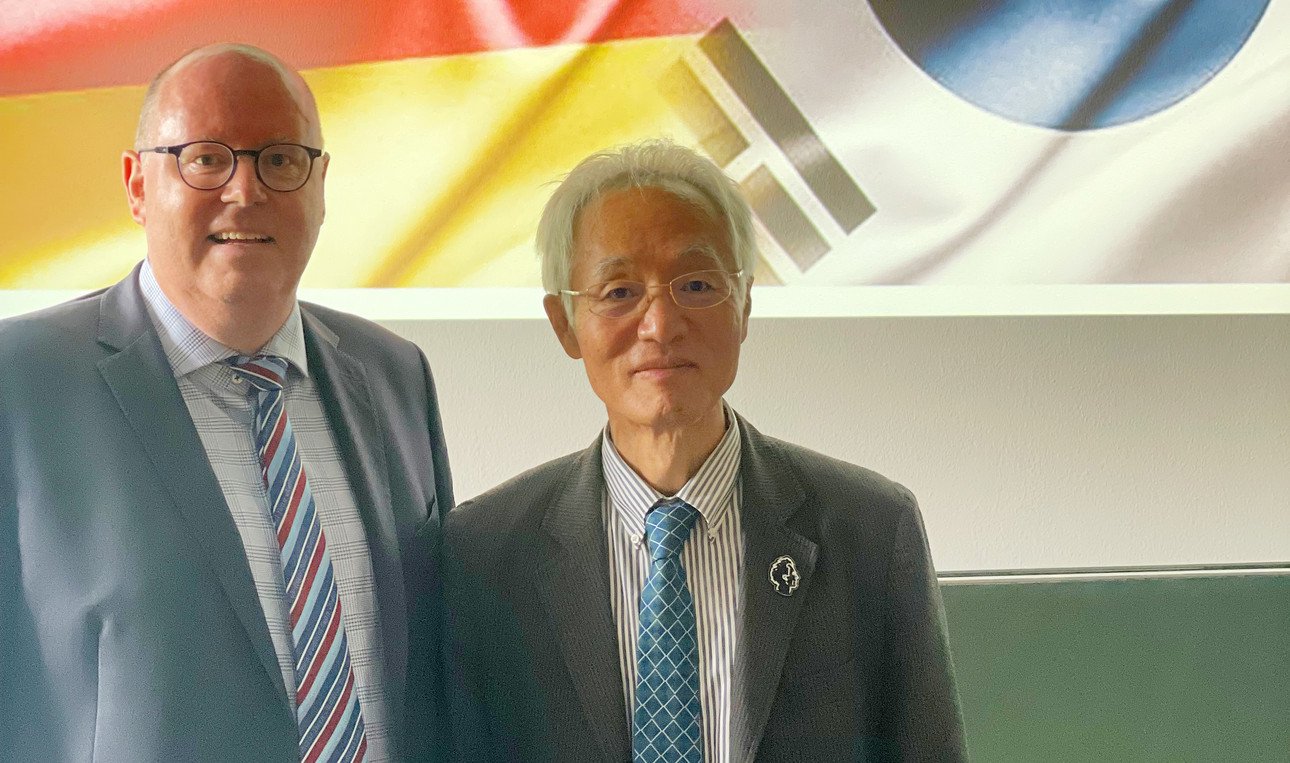
Although he was in Passau for the first time, he is already familiar with Germany because of his his academic career: he received his doctorate from the University of Freiburg i. Br. in 1989, followed by a one-year research stay as an Humboldtian at the Max Planck Institute for Foreign and International Criminal Law in Freiburg in 1997. In 2014, Professor Cho received the award “The most distinguished professor” from the “Korea Research Foundation”. His research focuses on secondary criminal law, international criminal law and East Asian philosophy of ancient law.
What motivated you to come all the way from Cheongju City to Passau?
I came to Germany to do research as a criminal law scholar. However, as I didn't want to do research in a major German city, but in a city with an internationally oriented university, I chose Passau in Bavaria. The most important reason was that my host, Prof. Esser, is an expert on my research topic at the University of Passau.
What is your research project at the University of Passau about?
My research topic is the preparation of a draft revision of the Korean “Anti-Terrorism Act”, which was newly introduced in 2016. I was commissioned by the Korean government (Ministry of Justice and National Intelligence Service) to conduct a comparative study on the German anti-terrorism laws, as the Korean people have great confidence in German law. Historically, Korean criminal law has been based on German criminal law in the course of modernization. In the area of anti-terrorism legislation, it is particularly important to find a balance between effective counter-terrorism and the interference with human rights resulting from such measures. I came to the University of Passau because I consider the Research Center Human Rights in Criminal Proceedings (HRCP) to be very suitable for this task.
The importance of international criminal law in general, including my research topic of terrorism, is indescribably great in today's globalized age. Since the establishment of the International Criminal Court in The Hague, awareness of crimes against humanity has changed. In Korea, international criminal law now has the same status as national law. In this sense, I think that my research at the University of Passau is very important for my home country, Korea.
Question 3: What current legal provisions in Germany with regard to terrorism legislation are you taking a closer look at?
The offences of Sections 89a and 89b (“Preparation of serious violent offence endangering state” or “Establishment of relations for purpose of committing serious violent offence endangering state”) introduced into the German Criminal Code (StGB) in 2009 cover individual acts of terrorism and shift the criminal liability for corresponding acts far forward in time, but do not yet contain the term “terrorist offence”. Due to EU Directive 2017/541, Germany must revise its criminal law on terrorism. In other words, the term “serious act of violence endangering the state”, which is central to Sections 89a, 89b and 91 of the German Criminal Code, is now to be replaced by the term “terrorist offense”. The list of offenses will also be expanded. The possible consequences are also relevant for Korea. There, the view has always prevailed that terrorism describes criminal acts that threaten the state.
Following democratization in 1987, a constitutional court (independent of the Supreme Court) based on the German model was introduced in Korea. This Constitutional Court – on which I also gave a guest lecture at the University of Passau – has contributed significantly to the human rights-friendly development of the Korean Code of Criminal Procedure. In view of this, it is desirable for Korea to review terrorism-related offenses on the basis of constitutional standards. Regardless of how the German criminal law on terrorism will be revised in the future, the constitutional standard plays an important role in Germany. This makes German criminal terrorism law a very important research topic for Korea.
What do you hope to gain from your stay here?
My research is commissioned by the Korean government, but is also a research topic for the AvH Foundation. Specifically, I plan to publish a comparative study of criminal terrorism law in Korea and Germany in the form of an essay with my host. In addition, I was able to enjoy Passau's culture and nature as much as time allowed, including the performance of Wagner's Lohengrin at the Veste Oberhaus at the end of June. In addition to law, I also studied musicology for a few semesters and therefore work as a music critic in Korea. I also occasionally give lectures on the history of Western classical music.
How do you feel about living in Passau?
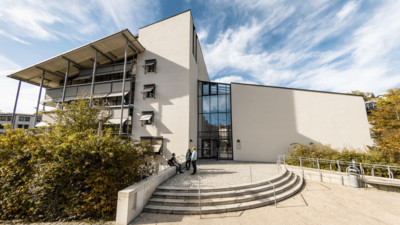
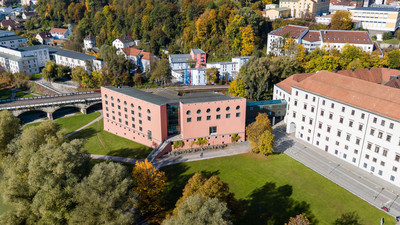
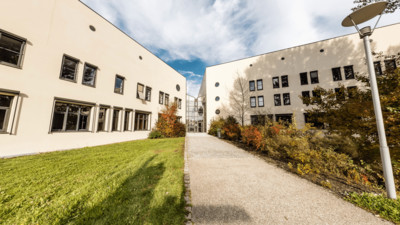
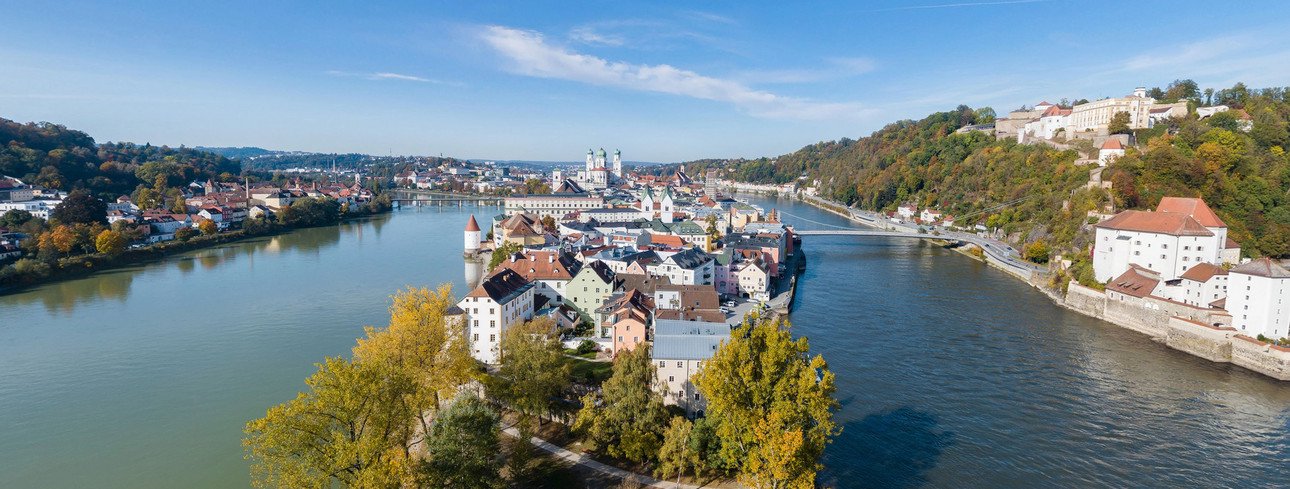
I've been to Germany many times, but this is my first time in Passau – an unforgettable stay for me. I am grateful to have spent a wonderful May in Passau. My wife visited me for a month and my son for two weeks. They both liked Passau very much too. They particularly praised the university campus, situated directly on the River Inn, peaceful and beautiful. Of course, they also liked the old churches in the old town and the atmosphere of the old Roman city, through which the Danube, Inn and Ilz rivers flow.
Do you have a favourite place that you will miss after you leave?
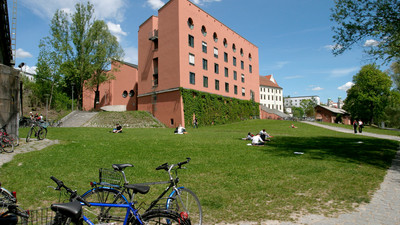
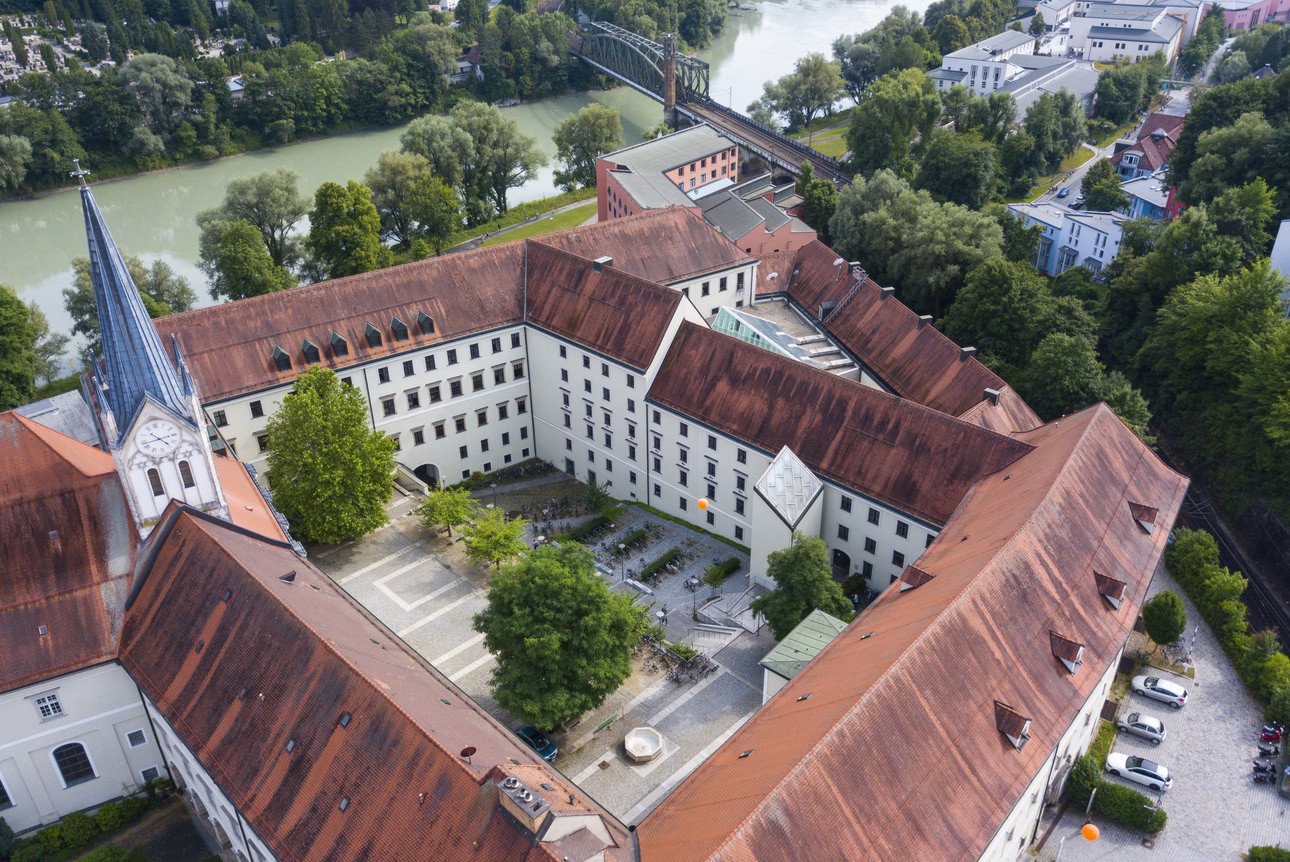
To put it bluntly: my workplace, in the Nikolakloster, on the 5th floor – a place I will never forget. When I came to university in the morning and opened the window, I saw the meadow and the Inn, and the fresh scent of grass and flowers surrounded me with a slightly cool air. I suddenly felt the urge to concentrate on my research. Sometimes I got the impression that you could also write good poetry in a place like this.
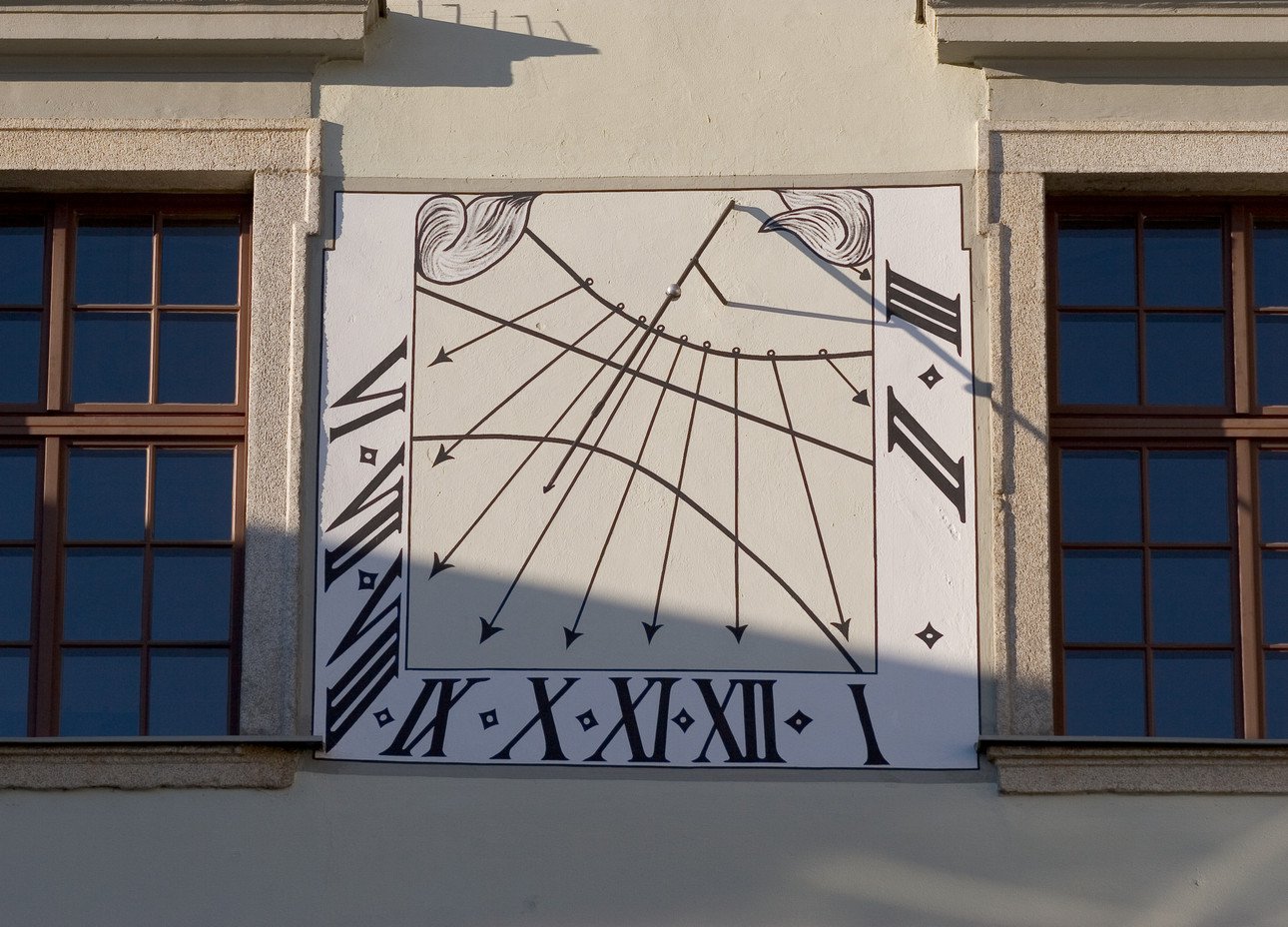
I would like to thank the University of Passau, the HRCP Research Center and the Welcome Centre as well as the AvH Foundation and my host for giving me the opportunity to conduct my research in such a wonderful environment. I was also inspired by the fact that the Nikolakloster was a monastery built in 1067 and originally inhabited by monks. It was nice to be able to enter the monastery church during the lunch break and find peace and quiet. As a scientist, I also resolved to practice with a clear mind, like the monks of the past. My family and I were fascinated by the sundial in the inner courtyard. Even after my time at the University of Passau, I will always carry this atmosphere and the city as “Passau, full of humanity” in my heart.