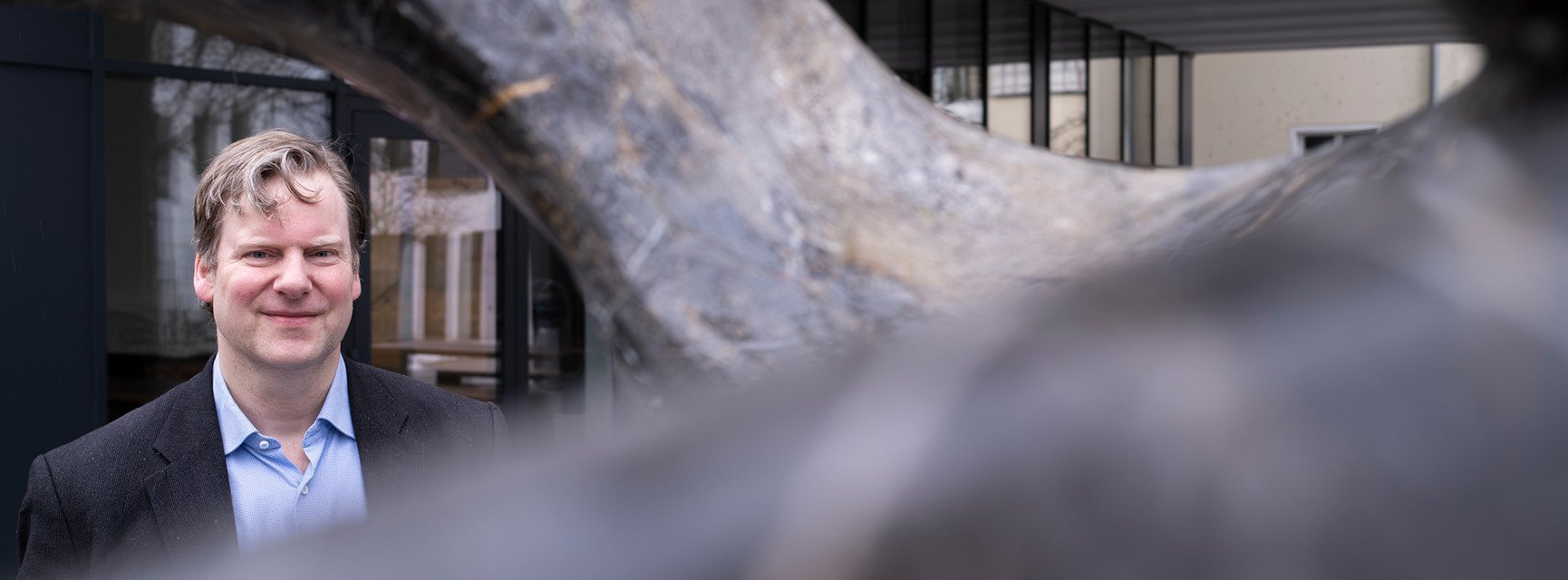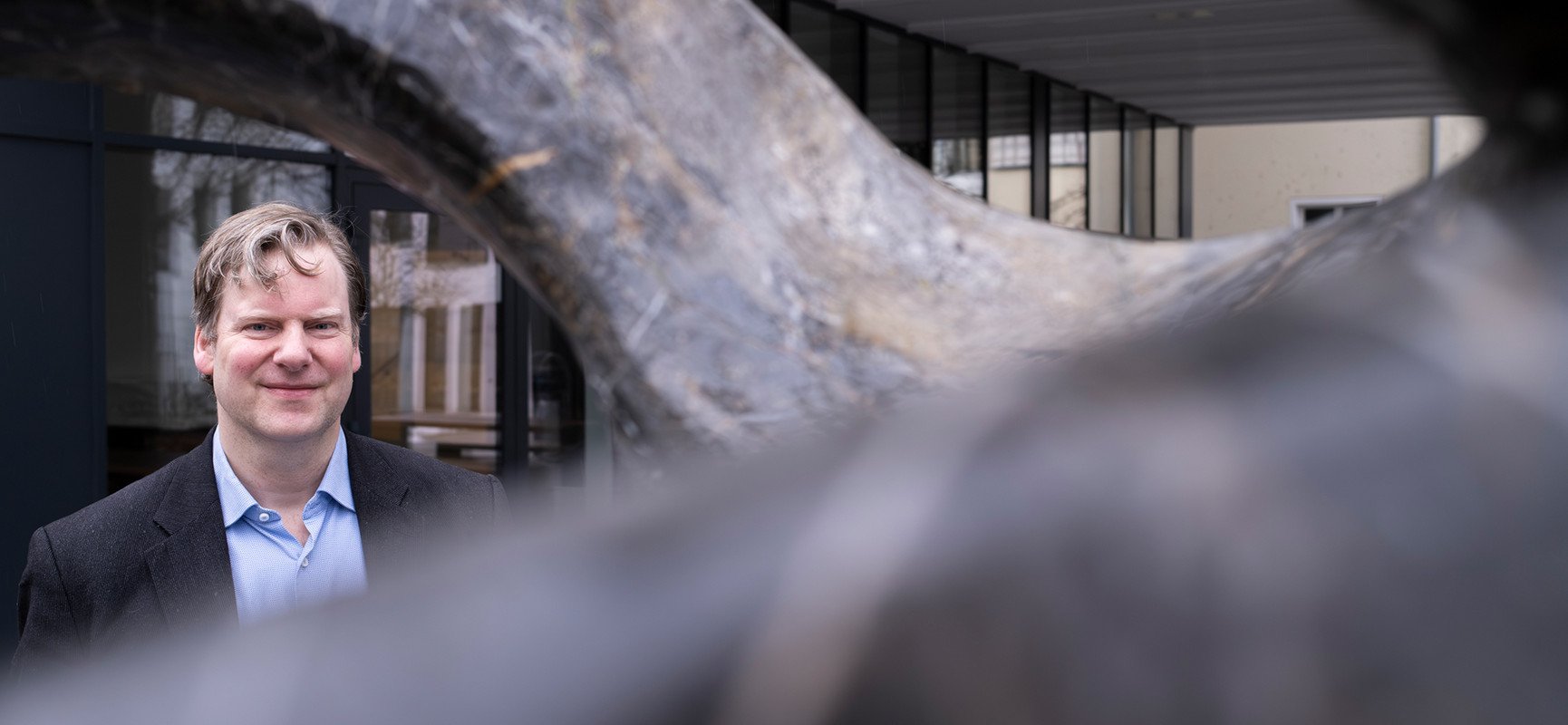
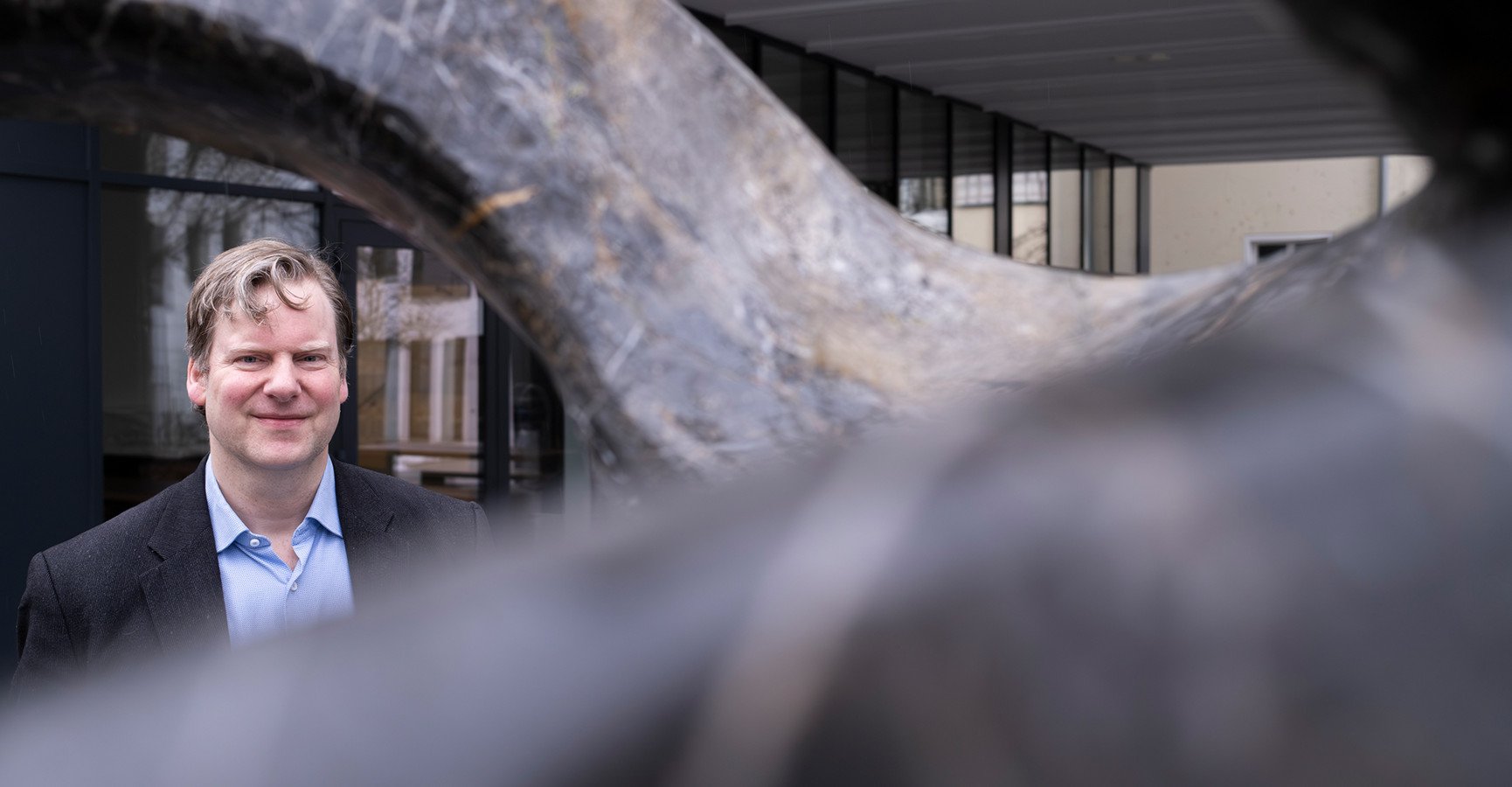
Professor Grischa Vercamer has been Heisenberg Professor of the History of Eastern and Central European Cultures in the Late Middle Ages and Early Modern Period since January 2025. He researches the depiction of the late medieval prince in historiographical works in Bohemia, Austria and southern Germany. He also analyses the lower nobility in the territory of the Holy Roman Empire. Previously, he was a deputy professor at the TU Chemnitz and the University of Passau. He completed his doctorate at the FU Berlin and his postdoctoral thesis at the European University Viadrina.
Professor Grischa Vercamer has been Heisenberg Professor of the History of Eastern and Central European Cultures in the Late Middle Ages and Early Modern Period since January 2025. He researches the depiction of the late medieval prince in historiographical works in Bohemia, Austria and southern Germany. He also analyses the lower nobility in the territory of the Holy Roman Empire. Previously, he was a deputy professor at the TU Chemnitz and the University of Passau. He completed his doctorate at the FU Berlin and his postdoctoral thesis at the European University Viadrina.
“Pre-modern historians staged the image of their princely protagonists with a certain intention, i.e. often in an idealised, positive or negative way. Modern historiography obtains the individual image of a pre-modern prince and his actions as a ruler precisely from these central text genres, but often reflects too little on the complexity of the respective works and intentions of the authors. It was and is important to me to bundle the achievements of previous research on the history of ideas and conceptions and to expand them structurally and methodologically. In my postdoctoral thesis, for example, I deliberately opted for a comparative approach that combines Western and Eastern European history.
In my research profile, I cover Central Europe and East Central Europe (Poland, the Czech Republic and Hungary) and thus strengthen the East Central European cultural area for the pre-modern epochs, which is important for the University of Passau. Digitalisation is also playing an increasingly important role in historical studies. At the University of Passau, I benefit from a close connection to the field of Digital Humanities, which has established itself as an interdisciplinary interface between the humanities and computer science.”
Professor Vercamer's research focuses on the following areas:
- The prince and his image in pre-modern historiography - Medieval/early modern ruling practices in a European comparison
- The socio-economic phenomenon of the lower nobility in the European context from the High Middle Ages to the early modern period
- The mutual construction of the “own” and the “other” of the Germans and their neighbours in the pre-modern period (especially towards East Central Europe)
- The dominion and cultural area of the Teutonic Order in the Baltic region (13th-16th centuries) and its legacy in this large region
This text was machine-translated from German.
I agree that a connection to the Vimeo server will be established when the video is played and that personal data (e.g. your IP address) will be transmitted.
I agree that a connection to the YouTube server will be established when the video is played and that personal data (e.g. your IP address) will be transmitted.
Show video